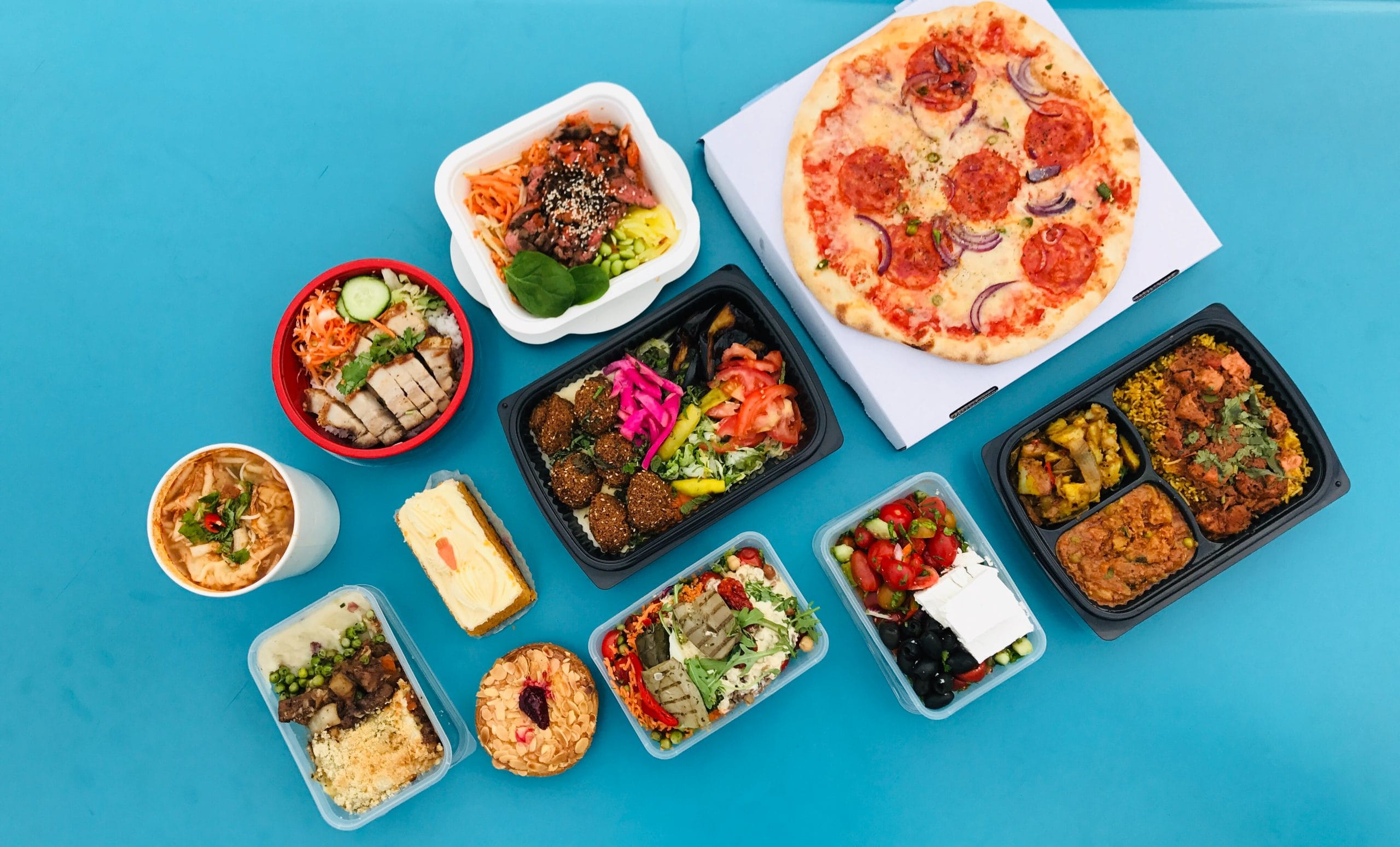
There is undoubtedly a place for both restaurants and a retail offer in the market. While restaurants provide an immersive dining experience, where customers can savor the exquisite flavours, enjoy the ambience, and engage with skilled chefs, the addition of a retail component brings forth an exciting new dimension. Retail offerings allow customers to take a piece of their favourite restaurants home, enabling them to recreate the flavours and experience in their own kitchens. This symbiotic relationship between restaurants and retail not only caters to diverse consumer preferences but also maximizes revenue potential. It opens doors for increased brand exposure, expanded customer reach, and the ability to adapt to changing market demands.
The optimistic outlook
Optimism from restaurant owners is on the rise, despite the current cost of living crisis and restaurants closing; statistics from accountancy firm Price Bailey highlight more business owners (31%) are reporting turnover rising rather than falling (22%) – a big improvement vs 6 months ago, when the positive figures were at just 16%.
Restaurant to retail
“Restaurants are capital-intensive businesses. The cost of acquiring leases and outfitting restaurants can run into the millions per site in prime city centre locations.” Whilst it’s important for restaurants to balance costs and open more dining sites to increase brand exposure for its loyal diners to build brand strength; there is another exciting way to build both brand equity and an additional potentially significant, revenue stream and that’s launching its much-loved brand into supermarkets for consumers to enjoy at home.
Why would a restaurant brand want to do this? Well one reason, is that more people are enjoying food at home – driven by current economics, for example in the Waitrose Food and Drink report 2023, 46% of Waitrose shoppers stated they would be eating at home more. What’s more NielsenIQ evidence highlighted that there is evidence that ‘treating’ and spend on discretionary items is growing, for example Sparkling Wine (+14%, latest 4 weeks to April 2023 vs LY, NielsenIQ Scantrack) – what’s more enticing for a shopper than to treat themselves to high quality meals from their favourite restaurant brand at home (if they are cutting back on eating out)?
As inflation shapes shopper spend, consumers are spending more of their weekly budget in supermarkets and spending more on brands – examples of such brands who have seen strong growth include the likes of Charlie Bighams (up nearly £22m YOY) and also Itsu whose frozen lines have grown by a third (NielsenIQ Scantrack MAT to 11/09/22 vs LY); there is clearly an appetite for consumers to enjoy their favourite brands at home.
Here are a few interesting current opportunities to think about….
- Japanese Cuisine: after seeing growth in Japanese foods, Waitrose is looking to bring its own range out to capitalise on this Asian food trend and with the likes of Sushi now a staple in UK food to go categories in retail, the food type grew by nearly 40% in 2022 (NielsenIQ); with consumers wanting authenticity from world foods (Kantar) – the category feels like a real opportunity for authentic innovation.
- Long Drinks: a continued trend in alcohol that has very firmly crossed over from the HORECA channel is long drinks, with consumers enjoying pre-mixed cocktails and spirits at home (pre-mixed spirits grew by 8.4% vs LY, NielsenIQ Scantrack June 23). There are clearly some fantastic opportunities for some of the bar and pub powerhouse brands that dominate the out of home channel.
- Food to Go: for food to go foodservice brands – both in terms of food and drinks (such as fruit juices), lunchboxes have been growing in occasions, an extra 108m in the year up to March 2023 vs LY (Kantar) – as lunch goers make more of their own lunchboxes offering innovation to a retailer in a highly sandwich led category could be an interesting opportunity.
These are all opportunities the Taste Shakers team can help with – for an informal chat – please reach out….