As changing tastes with how consumers experience eating out and dining in continue to develop at pace, players in the hospitality and foodservice industry are exploring the omnichannel route like never before to maintain and exceed customer expectations.
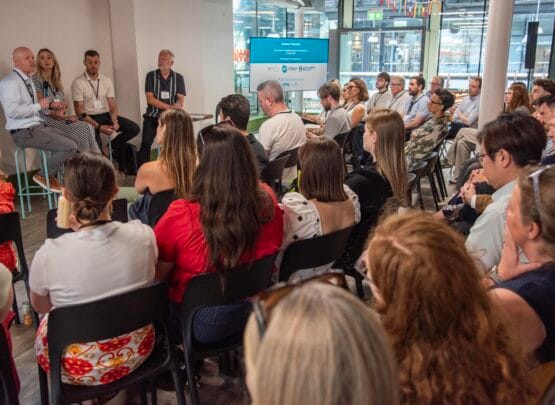
We were at last week’s Omnichannel Foodservice Conference, which was the first of its kind examining how leading foodservice and hospitality brands are evolving their businesses to engage with new and existing customers across numerous platforms – at home and on the move – and how the restaurant and retail worlds are combining like never before.
The conference brought together an investor panel and exceptional leaders representing brands from the sector including PizzaExpress, Leon, Pret, Coco di Mama and Pizza Pilgrims. Insights were shared from their omnichannel journeys to date, from how they use delivery, kiosks and loyalty schemes to attract new customers to launching branded innovation in the supermarket aisles and operating dine-in concessions within supermarkets.
Let’s take a closer look at how the omnichannel model is becoming such an important avenue for businesses that want to expand and add revenue streams in the industry.
Why omnichannel is a strategic move
David Marston, co-founder, and Alexis Philippidis, head of commercial at Taste Shakers, work with restaurant brands such as Stem & Glory and Le Pain Quotidien and helped many others successfully capitalise on the power of retail.
They explained that the landscape for supermarkets at present shows 73% of shoppers are choosing brands and with food inflation at 10.6% and the current cost-of-living pressures, discretionary spend will move more to grocery. As a result, consumers will treat themselves which is an opportunity for restaurant brands. Data is already showing an increased £395m spend on grocery versus last year.
There are some clear consumer drivers other than price for shoppers:
-
Sustainability – its importance to shoppers has increased over time
-
British made – 84% of UK shoppers say the British-sourced food is important, however authentic world foods and world cuisines are also in strong growth
-
Premium – this includes factors such as price, product, quality and choice
-
Authenticity – 64% of shoppers globally are looking for authentic products
-
Innovation – this has returned to 2019 levels as the most desired improvement
-
Health – 54% of UK shoppers pay attention to labelling/nutrition while food and drink shopping with sugar, fat and salt the highest concerns
What are the benefits of launching into retail? For restaurants it enables them to further grow brand awareness, increase restaurant footfall and create an incremental revenue stream. For retailers, it’s where market-leading innovation from tried and tested products from well-loved brands, add a point of difference and enable category value growth.
The secret sauce for long-term success
Blonnie Whist, Insight Director at Lumina Intelligence revealed exclusive research from the Lumina intelligence Omnichannel Foodservice Bespoke Survey, November 2022 on the power of restaurant brands in supermarket aisles, and the opportunity for FMCG products, meal kits and ready meals, as well as levels of consumer awareness and perceptions of these products.
With fewer consumers eating out at a restaurant year-on-year, the appetite for restaurant-branded products such as sauces and condiments has the highest engagement. This is followed by restaurant-branded ready meals with restaurant branded meal kits closely behind and interestingly, 60% of restaurant-branded shoppers buy multiple categories.
Nando’s has expanded its grocery range across different categories and earlier this year overtook Colman’s to become the UK’s fourth best-selling sauce brand.
The omni approach is also a reliable method for increasing brand awareness and touchpoints, with Lumina reporting restaurant operators have achieved strong sales growth from omnichannel:
-
28% of consumers bought a restaurant branded product after trying them in the restaurant
-
40% had gone to the restaurant after trying its products from a grocery store
-
24% bought the product without having been, or since visited the restaurant
The top reason for making purchases in the next few months? ‘Trying something new’. Others cited ‘it is easier to prepare’ (convenience), ‘good value for money’ (a fair deal for a fair price), ‘I like the brand’ (affinity) and ‘I feel confident it will be good’ (brand loyalty/love of the brand).
Some of the purchase barriers with restaurant-branded products in grocery stores that survey respondents spoke of included:
-
Price point being too expensive (36%)
-
Not knowing they could buy the product (21%)
-
Better value alternatives where they shop for groceries (17%)
-
Product not being the healthiest option (12%)
-
Not as good as the real thing in the restaurants (11%)
This promoted the question from Bonnie, “what product carries the essence of your brand” (core products / range)? Having a flagship product that really resonates with your customer is key, as consumers expect it to be of a higher quality and worthy of a price premium and deliver the brand quality and execution that they know and love. This also shows there’s room for further expansion and education around value, awareness and health.
Health is wealth
LEON is effectively delivering and winning with healthy ranges in retail; gaining 1 million cookbook sales in seven different markets and 300,000 people in its club with an average of 1,500 new members joining weekly.
Miriam French, marketing director at LEON, says new routes for it to reach customers includes drive-thru openings, digital transformation such as customer ordering screens, branded products into retail as well as grocery offers at some venues. And it is no longer just a r
estaurant – some of its venues are also mini-supermarkets that sell grocery products and chef-created ready meals.
LEON has also partnered with Sainsbury’s and Asda so consumers can now get the same great quality, freshness and choice found in store. The range includes vegan and non-vegan sauces, mayonnaise, vinegars, olive oils, balsamic vinegar, fresh bread, dips, waffle fries and mac & cheese bites and more. John Vincent, co-founder of LEON, said in 2019: “The grocery products business has the potential to be as big as the restaurant business by 2025.” And it’s certainly on its way to achieving that.
Grabbing a pizza the action
Yasha Estraikh, Associate Partner Brand, Piper Private Equity & Robin Rowland, Partner, Trispan says: “Eating-out brands are increasingly expected to have a considered omnichannel strategy to attract investment. Leveraging brand recognition and having multiple routes to market is a must in today’s world.”
Brands specialising in Italian food are doing exceptionally well with making a success of additional channels including PizzaExpress. It has long been an omnichannel leader, with 57 years serving customers in pizzerias, 22 years on supermarket shelves and seven years delivering pizzas to customers’ homes.
Zoe Bowley, MD at PizzaExpress says when the restaurant’s founder, Peter Boizot MBE brought pizza to England that “we literally launched casual dining in the UK, with more than 360 restaurants, the second largest estate and approximately 10,000 team members.
“We were selling over 10 million margherita pizzas and 11 million portions of dough balls every year across all channels. Over the past 57 years we’ve invested in, and built, a house of brands – a strong base to launch our retail business.”
PizzaExpress is now in the Grocer’s top 100 power brands with retail sales of around £110m. Brands must work hard to stand out in fresh grocery, and it is now number two in the market (with Charlie Bigham’s ranked number one). This has given it a platform to develop new channel innovation into direct to consumer (D2C) market, such as its pilot with recipe box subscription service, Gusto.
Adding new channels has brought additional resilience and growth opportunity for dine-in locations, its live music experience PizzaExpress Live, international and franchise, home delivery and takeaway. Its supermarket and retail channels now have 43 SKUs in the retail range and its digital and loyalty, Power of Partnerships, and Empowered Teams streams are also flourishing.
Zoe concluded: “We know omnichannel is a way to drive sales and our profitability and we’re looking more and more to other channels to get our pizzas to customers.”
While PizzaExpress pairs music with pizza, pasta brand Coco di Mama, is serving its award-winning food with ‘the best coffee in the city’, as part of its mission to become the nation’s most-loved Italian to-go. Launching in 2011, it’s now available nationwide with 30 stores in total (14 of which are in London), over 100 local Italian delivery kitchens, a successful order-for-delivery channel and is now available in 50 Sainsbury’s stores across London.
Pizza Pilgrims is another notable omni success story. Moving its restaurant online during the pandemic with its D2C ‘pizza in the post’ concept which has gone from strength to strength. Not just an alternative revenue stream, it’s also a way for the team to connect with patrons. Customer data from pizza-in-the-post orders now helps inform the business on where to open new restaurants in the UK.
The perks of loyalty schemes and digital transactions
We all saw how coffee powerhouse Pret’s omnichannel development was propelled at speed by the pandemic. The chain’s interim MD Guy Meakin explains that by switching from “following the sky-scrapers to bringing Pret to more people through new channels” it has been better able to listen to and tap into changing habits and mobilise in the spaces where its consumers are ready to spend.
Pret launched the UK’s first ever in-shop coffee subscription which offers customers up to five barista-prepared drinks a day for a fixed monthly fee of £25 – this is now used over a million times a week in the UK. Its digital offer has grown, with a wider loyalty programme, now available to everyone via the Pret app and insight-led rewards for customers to create a more tailored experience. Digital sales now account for over one-third of transactions.
Pret’s bake-at-home range now includes coffee, frozen croissants, granolas and smoothies. Pret Express has been rolled out to around 40 locations and its delivery offer continues to be very important. It has also opened shops in motorway service stations. This is a great example of how an omnichannel strategy can help brands filter into multiple touchpoints of consumer’s daily lives making it seamless for them to purchase their favourite products, with convenience central to everything.