How will the eating out market evolve over the next five years? And what trends should suppliers, operators and retailers be focusing on to make sure they’re fit for the future?
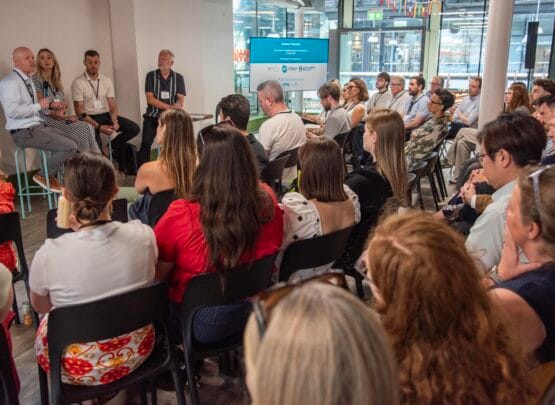
In our first joint event with IGD, we gathered suppliers and retailers to understand more with an overview of the IGD Eating Out Forecast.
Rhian Thomas, head of insights, IGD, kicked off our Foodservice Forecasts event by setting the scene.
“By 2028 we’ll see the total UK market for food and drink, in– and out-of-home, increasing to just over £315bn, a +19% growth vs 2023. Of course, the short-term impact of inflation drives a lot of this growth.
“In real terms, 2023 is down -2% vs 2022. We’ll see volumes start to recover from 2024. Mainly driven by eating in, which accounts for rough two thirds of the market, with eating out not recovering until a bit later in 2025 once real wage growth and discretionary spend improves.”
Foody five: the trends driving the market
Nicola Knight, insight manager – eating out and food-to-go at IGD, highlighted five key trends in foodservice.
- The new value equation
Nicola says: “With the recessionary mindset taking hold, eating out will become a treat for many, and volumes will drop. Operators will need to innovate through loyalty schemes, targeting special occasions and promotional offers to retain spend.
“Avoiding ‘bill shock’ with clear price points will be key. But value is about so much more than just price. Delivering on other expectations is also vital, and this is wide-ranging, encompassing service, convenience and meeting consumers’ health and sustainability goals, for example.”
- Dealing with operational realities
Costs are rising across the board, product availability is a challenge, and staff are in short supply. This is leading companies looking to remove complexity to investigate opportunities for partnerships, use tech to drive efficiency and simplify their processes.
- Channels in flux
Channel mixes are changing – and retailers are reprioritising to win consumer spend. There’s an increasing focus on replicating the out of home experience in home. From more restaurant brands on the supermarket shelves, an increasing amount of ‘fake-away’ offers, and more premium meal deals.
- Reinventing experiences
While both operators and consumers continue to cut back, experience will become more important than ever. Nicola says: “Delivering exceptional experience at each and every touchpoint will play a key role in capturing sought-after consumer spend. We’ll see more investment in technology to reduce ‘pain points’ for consumers and enhance engagement with operators. We’ll also see an increase in new and exciting places for people to socialise where they can eat, drink and enjoyed a shared activity.”
- Investing for the future now
Consumers may be squeezed, but are still looking for help from operators to achieve their health and sustainability goals. Even if they can’t afford to adopt the changes right now, Nicola warns not to lose sight of those longer term trends.
She says: “Further legislation may be coming our way, particularly on health and sustainability, so the industry needs to continue progress in these areas.”
Plenty food for thought.
If you couldn’t make the session but would like a copy of the insight or to find out more, get in touch.