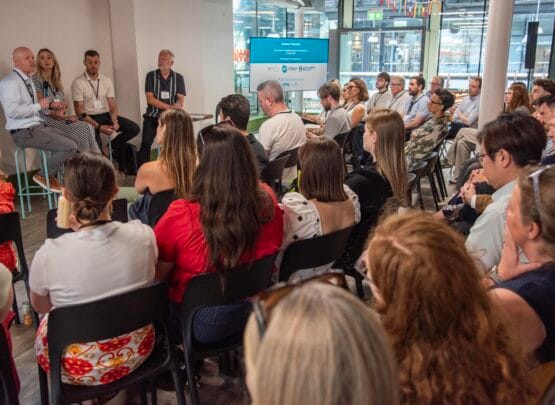
One of the most effective ways to bridge the gap between brands and operators is with the right chef ambassador – someone who not only brings culinary credibility but also resonates effectively with your target audience and reflects your brand values.
Making the right choice can be tricky – and getting it wrong can damage reputation and waste resources. Working with a partner that knows the pitfalls and has a network that will help secure the most appropriate ambassador will get the best results for your brand.
Here are six key considerations:
1. Get the brief right
What’s important to one brand is different from what’s important to another. Make sure the selection criteria has been agreed and all stakeholders are aligned – from marketing to development chefs. If you’re unsure what your selection criteria should be, work with an expert.
2. Social relevance
When evaluating a potential ambassador, look beyond sheer follower numbers. A chef with 50,000 engaged hospitality professionals and food-service buyers on Instagram might offer much more value than one with 500,000 followers if the latter’s audience is primarily home-cook foodies. The key question: Does their social media reach map to your core audience?
Engagement rate (comments, shares, saves) and platform relevance (LinkedIn for commercial operators, Instagram and TikTok for trend-setting chefs) matter just as much as follower count. Choose someone who consistently interacts with the hospitality sector rather than simply delivering high volumes of general foodie posts.
3. Reputation and awards
A public profile rooted in peer recognition helps validate your positioning. For example, a chef who has won or been shortlisted for national awards carries weight. Their reputation is an asset; they should be trusted by your audience already, meaning the endorsement embeds easily rather than feeling like a forced promotion.
Look for testimonials, press coverage or client case-studies that underline the chef’s consistency, professionalism and collaborative behaviour. Also consider whether the chef is aligned to industry organisations such as the Craft Guild of Chefs. A chef with a strong track record is less likely to produce mixed messaging or mis-align with your brand standards.
4. Previous brand partnerships
Investigate their past brand partnerships – as well as any potential current clashes. Have they worked with credible foodservice suppliers? Did those collaborations deliver measurable value in the professional channel? For example, a chef who has previously aligned with on-trade operators or distributors will understand the subtleties of the B2B marketplace.
Beware of “one-size-fits-all” chef endorsements: if their portfolio is heavy on FMCG consumer campaigns, they may lack the credibility to serve a foodservice supplier audience. Seek examples where they’ve developed recipe concepts, delivered training or engaged with operators, rather than simply appearing in consumer-facing adverts.
5. Product and audience alignment
Perhaps the most important consideration is alignment between the chef’s ethos, your brand values, the product offering and the end-user audience. Misalignment not only hampers authenticity but can alienate the very audience you want to attract.
Choose a chef whose cooking style speaks directly to your market niche. If you’re offering premium meat product or sauces, a chef known for artisan-style meat cooking in gastro pubs makes sense. If your product suite is plant-based proteins for the flexitarian segment, then a chef thriving in that space brings more credibility.
It’s also worth considering what you need from a chef ambassador – charisma and public speaking ability might be more relevant to your campaign (and target audience) than pre-recorded social media posts.
6. Long-term fit and brand storytelling
Finally, view the ambassador role as a strategic partnership rather than a one-off advertisement. The key to long-term success is to share as much information as possible at the outset – from product information to sustainability credentials and production process. The best chef ambassadors become integrated into your brand story: they help co-create recipes, appear in operator training sessions, speak at trade events, and engage in behind-the-scenes content. Over time, their personal narrative should dovetail with your brand’s journey, giving operators and chefs a tangible reason to believe in your offering.
Need help getting the right fit? Give our team of food and drinks experts a shout.