Uncategorized

The rise of the food hall

November 2018


fm3.jpg

“In recent years food halls and markets have given street food a new lease of life, transforming it into an entirely new dining experience.”


Starting with humble roots, street food may once have been considered a far cry from a gourmet dining experience, at least in the UK. But gone are the days of boring burger vans.

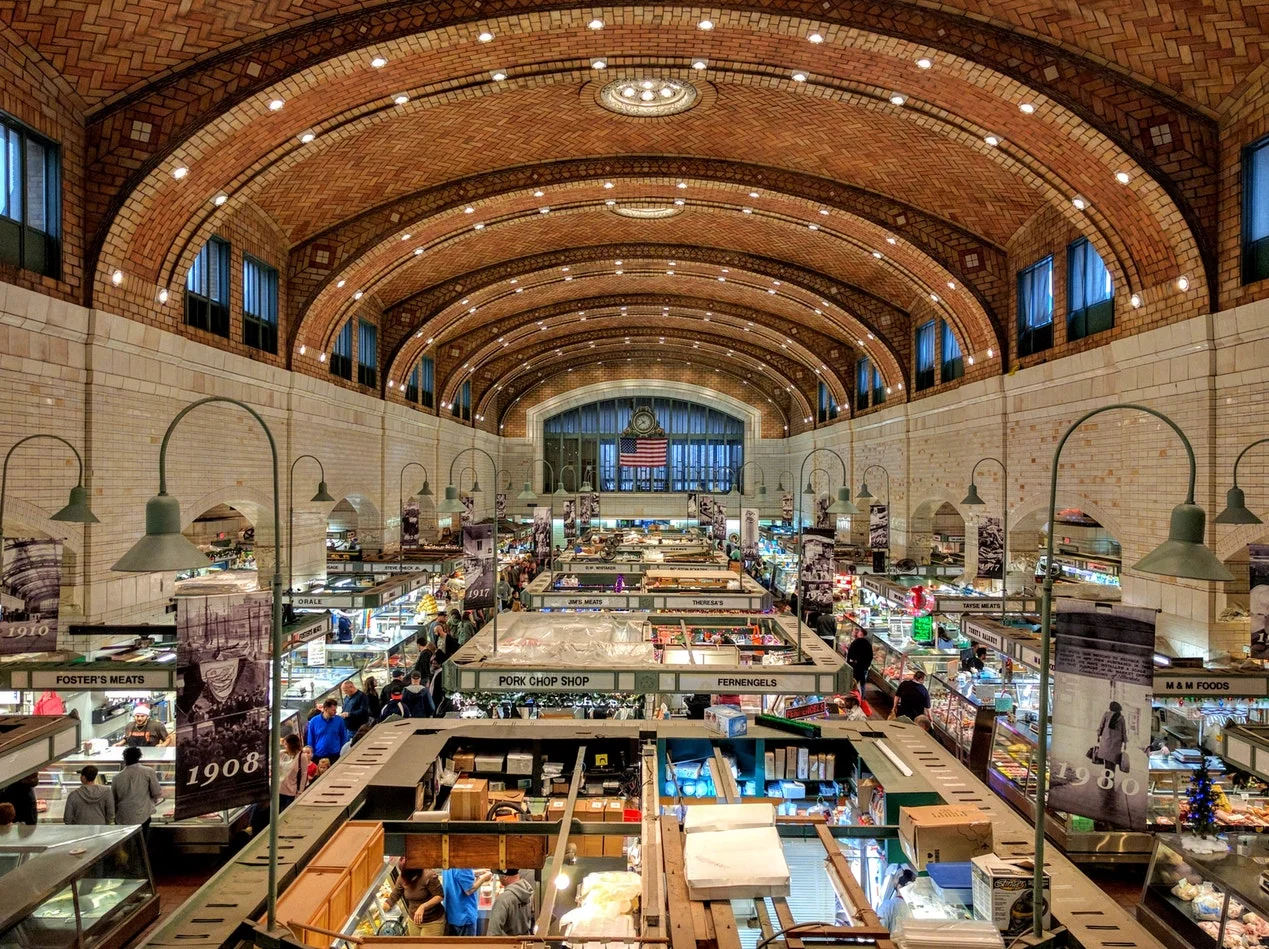
In recent years food halls and markets have given street food a new lease of life, transforming it into an entirely new dining experience. Covered markets with trendy dining spaces are a welcome change, offering variety and a bustling atmosphere. Borough Market, Mercato Metropolitano (Elephant & Castle) and Pergola (Paddington) are just three of London’s many food halls offering unique dining experiences with fresh tastes from around the globe. Adding to this list will be the arrival of ‘Eataly’ in 2020colourfully described as a ‘foodie theme park’. 

The food halls and markets outside of the UK will also blow any foodie’s mind. A melting pot of colours, flavours and aromas inside markets such as Mercado San Miguel in Madrid, Mercato Centrale in Florence or Reading Terminal Market in Philadelphia.     

Digging deeper into this growing trend, here are three reasons why food halls are shaking up the street food scene and getting such a positive response.  

THE DINING EXPERIENCE

According to McCain’s 2018 Casual Dining Report, dining experience matters whatever the price. Consumers are more likely to spend when their food comes with an experience, so food halls and markets offering cosy dining spaces, culturally diverse cuisines, Instagrammable spreads and entertainment are transforming street food into an experience. 

VARIETY

Eating in large groups can be difficult if not everyone wants the same thing. Considering the rise of vegetarianism and veganism, amongst other dietary requirements such as allergies, food halls offer that all-important variety. From spicy foods to keto options or dairy substitutes, the chances are that larger groups can enjoy a sit-down meal together no matter what they buy. 

NEW CULTURAL EXPERIENCES

Bruschetta for lunch, Pho for dinner? Sure!  

The growing popularity of food halls is also down to the cultural variety on offer. Each visit is a new experience with global cuisine.  

Take London’s Borough Market. In the space of an afternoon, customers can become gastronomic globetrotters across France, Spain, Ethiopia, Japan and even the Caribbean island of Grenada.  

In the age of experiences, it’s no surprise that street food has become an opportunity to enjoy food with friends and discover new cultures. A far cry from that boring burger van.

 

Insights & Trends

GLP-1s in away from home: IGD’s 2026 predictions

January 2026

By Shannon Goldsmith, senior insight analyst, IGD

The GLP-1 landscape continues to evolve rapidly. Growing attention and acceptance saw the proportion of people who have personally used the weight loss drugs grow by 1.1pp from June to September last year.

Our early research into the impact of GLP-1s has explored how users are changing their consumption behaviours both in and out of home. As we enter the new year, what could be the impact on the future of the away from home market?

How often and how much consumers eat out will dip

Almost a third of GLP-1 users say they are visiting restaurants less since they started taking the drugs, rising to 43% for fast food restaurants.  When they do choose to eat out, users are often opting for healthier dishes or smaller portions.

Eating out less often and eating less per occasion are worrying prospects for away from home operators. However, we have already seen operators start to cater for this dietary change, for example [US-based] Cuba Libre’s “GLP-Wonderful” menu of dishes which are high in protein and fibre and low in fat. While this menu has required additional development time in working with a certified obesity expert, there are opportunities within existing menus as a quick way to meet these new needs, for example smaller portions of existing dishes or making more of small plates and sharing dishes.

2026 prediction: Operators will react to lower footfall and spend with targeted menus. Nutritionist-approved dishes will likely start in higher-end restaurants, while quick service restaurants will stick to the common shortcuts that consumers are familiar with, like ‘high protein’ or ‘good for gut health’ and add these to menus as customisable options.

New food preferences will shape food trends

Food preferences are evolving among GLP-1 users, with a noticeable shift away from fatty, sweet, or creamy foods toward more savoury, hot, and crunchy options. Due to the significant reduction in calorie intake, there is an increased emphasis on food’s functionality, with individuals seeking to maximise nutritional value in smaller portions.

As more consumers begin using weight loss drugs, restaurant operators will need to consider these changing preferences when developing future menus. When people dine out in groups, it’s often the person with specific dietary requirements who reviews the menu beforehand to ensure their needs will be met. This individual can influence where the group decides to eat. As a result, offering options that appeal to GLP-1 users can affect the overall group’s choice of restaurant.

Retailers have already kicked off 2026 with innovative product launches aimed at GLP-1 users, covering both food-to-go and meal solutions, providing strong competition for out of home dining.

2026 prediction: It is unlikely that hospitality venues will introduce major menu changes aimed specifically at GLP-1 users in the near future. While we do not anticipate dedicated GLP-1 menus, we do expect to see more targeted dishes gradually appearing on menus, catering to both users and non-users.

Where consumers choose to go will be based on more than the food and drink on offer

Food-led sectors (restaurants, QSRs) are not the only sectors affected by lower visit frequencies. GLP-1 users also claim to be visiting pubs and bars less and ordering fewer drinks when they do. In part, this is being driven by a wider shift away from alcohol consumption for general health and wellness reasons. However, it has been reported that GLP-1s dampen the desire for alcohol, this alongside the high calorie count means that alcoholic drinks are less likely to fit into these consumers’ lifestyles.

Overall, consumers are placing less focus on food and drinks when going out, so operators must find new ways to encourage visits. Venues that have already introduced competitive socialising options are ahead, offering people opportunities to connect outside their homes without making food and drink the main attraction. For example, Market Halls’ Oxford Street site has been rebranded as ‘Games Hall’, adding pool tables, virtual darts, and shuffleboard alongside food vendors and bars. Places like this are likely to become popular spots for both GLP-1 users and non-users, as they offer a relaxed environment to socialise and cater to a variety of needs.

2026 prediction: The leisure sector will benefit as consumers free up their disposable income to spend in other areas, for example cinemas, gyms and competitive socialising venues. More traditional food and drink -led operators will look to incorporate more leisure elements and concepts where possible to appeal to these evolving consumer preferences.

Next steps for the away from home market

This landscape is rapidly changing. Growing uptake of the medications will mean new learnings and insights. This can pose a threat to the away from home market, with penetration, frequency and spend all being impacted. However, while growing, GLP-1 users do still represent a small proportion of the overall population, so while adaptations will need to be made to appeal to users and retain as many visits as possible, operators shouldn’t lose sight of the rest of the audience.

Keep up to date with all of IGD’s GLP-1 research here.