Uncategorized

The pictures changing plates

November 2018


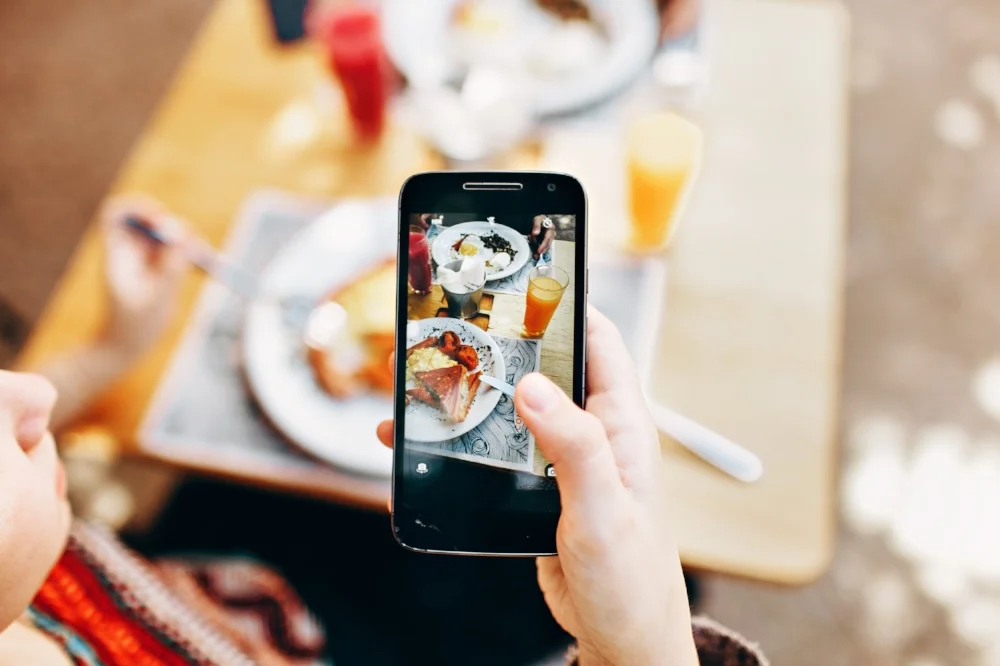
blur-blurred-background-breakfast-693267.jpg

“Most businesses are embracing our obsession with amateur food photography. Put simply, it’s free publicity. “


From fine dining to street food, most of us are guilty of a cheeky food snap. Just Google food photography and you’ll be lost in pancake stacks, sushi and pasta for hours.  

Apps such as Instagram have had immense impact on how we share food photography and manipulate it. Anyone, no matter how skilled, can capture their own food art in just a few clicks. Bringing food to life on screen has never been easier, with Instagram filters achieving the perfect ‘colour pop’ many strive for.  

Whether you enjoy in-situ food photography or think phones have no place at the dining table, one thing is for certain. It’s a driving force for innovation and creativity in the food and drink industry. 

how has this changed our food, plates and restaurant experiences?

Most businesses are embracing our obsession with amateur food photography. Put simply, it’s free publicity. So, both high end chefs and fast food chains have cooked up ways to be increasingly visual, engaging and memorable.  

Think colourful combinations, creative food styling and scientific Blumenthal-esque surprises.
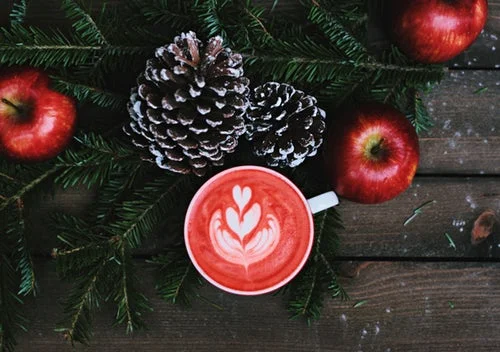
redcoffee.jpg

food styling and crockery

Simon Hulstone, chef proprietor, at the Michelin starred Elephant Restaurant in Torquay said: “I think the use of social media has increased the presentation and styles of chefs’ food immensely. Crockery has become a major focus and getting the right crockery to frame a dish is almost as important as what’s on the plate, ultimately though it’s the quality of the photography and camera that decides how good a dish looks on social media, so chefs have really worked out how to promote their skills by taking a semi professional picture.” 


flavour experimentation

Andrew Klimecki, VP design at Steelite International said: “There have been some interesting trends in food fairly recently where traditionally ‘beige’ food types have been given the black treatment: bagels, burgers, hot-dog buns, macarons, croissants – even ice cream. This is being driven by the need for novelty in the hospitality industry to engage and fuel the Instagram generation.”

fast food finds

Fast food joints across the globe are cooking up increasingly creative food, such as Poptata, drizzling bright pink garlic mayo over delicious parmesan fries.  

For Taco Bell’s chefs and food scientists, Instagram is also always front of mind. When the team develop new menus, how products look on Instagram is a key consideration. It takes just a few Instagram complaints (notably, that the cheese isn’t as stringy as portrayed in adverts!) for the social media team to intervene with food preparation reminders. They even track of the most-Instagrammed menu items, and last year relied solely on diners’ Instagram snaps to advertise and build trust in a niche new product, the Naked Chicken Chalupa, setting up launch parties with bright lights and props to encourage photo opportunities and all-important recommendations.   

setting the scene

Ambience is also key. Upserve Restaurant Insider’ s report #FoodPorn Instagram Marketing for your Restaurant encourages restaurants to consider lighting, installations, and branding opportunities to make their décor more appealing and memorable for Instagram. Many upscale London restaurants wow diners with immersive interior design, such as Clos Maggiore’s spectacular garden room and Sketch’s opulent and colourful furniture, walls and curtains. Unsurprisingly, they are often recommended as the most Instagrammable foodie spots to visit.  
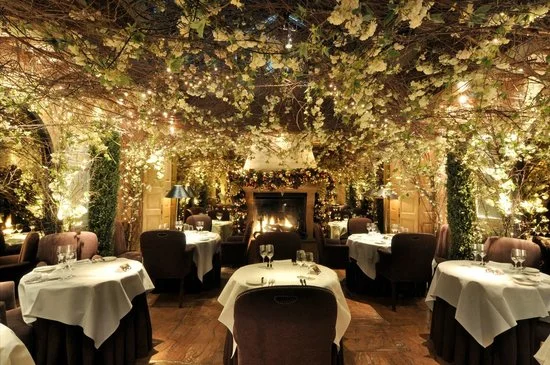
Clos Maggiore

Sure, foodie photos are nothing new, but the Instagram revolution has undoubtedly given hospitality businesses another tool to boost their operations. Whether this is most useful for promoting new products, interacting with existing diners or getting food in front of new customers, businesses that fully embrace this creative culture of sharing will surely give consumers something to remember.
 

Insights & Trends

Arena Networking Navigator is back for 2026

January 2026

We know first-hand that careers in foodservice and hospitality are built on relationships. That’s why we’re proud to be returning for a second year as partners of the Arena Networking Navigator Programme 2026, alongside Arena and Performance Works International. 

Following a successful inaugural year, the programme is back with renewed momentum and a clear purpose: to continue addressing a recognised skills gap among early-career professionals who have not always had access to the in-person networking experiences that are so vital to long-term success in our industry. As the way we work evolves, the ability to form meaningful, career-defining connections remains a critical skill – and one that doesn’t always come naturally. 

Launching in February 2026, the six-session hybrid programme once again blends expert-led online learning with high-impact, face-to-face experiences at two flagship Arena events. The structure is designed to build confidence step by step, ensuring delegates can put theory into practice in real-world industry settings. 

The programme begins with the fundamentals: understanding why networking matters, what makes a strong first impression and how to become a more effective, authentic networker. Delegates then focus on refining their elevator pitch, learning how to break the ice, prepare for events and adapt their approach for in-person and online environments. 

A core strength of the Networking Navigator is the opportunity to practise these skills live. The Arena Futures Live Event provides a supportive space for delegates to connect with peers and industry leaders, while Networking 101 sessions tackle practical challenges such as entering and exiting conversations, steering discussions with confidence, following up effectively and approaching new contacts. 

Preparation for one of Arena’s most prestigious events is another key milestone. Delegates will set clear objectives, rehearse introductions and receive practical guidance ahead of the Arena Savoy Lecture at The Savoy, London. The programme concludes with a graduation ceremony at the Savoy Lecture itself, where participants are invited on stage to receive their certificates. 

Our own Olivia Charles was one of the successful 2025 cohort. Here’s what she had to say about it: “Before joining the Networking Navigator programme, networking felt daunting. The course pushed me outside my comfort zone and helped me realise that most people feel exactly the same. We are all simply there to connect. It shifted my mindset, strengthened my confidence and gave me practical tools to approach people, hold meaningful conversations and navigate interactions with ease. It has been a genuinely valuable experience for both my personal and professional development.”

Priced at £950 + VAT, including attendance at both Arena Futures and the Arena Savoy Lecture, the Arena Networking Navigator Programme is a powerful investment in future industry leaders. 

Head to area.org.uk for details.  


Insights & Trends

Trend watch: The fibre opportunity in foodservice comms

January 2026

By Rachel Taylor, managing director, William Murray PR & Marketing

Fibre is becoming the biggest comms opportunity in UK foodservice this year, and one businesses should maximise.

The M&S 2026 Health Trends report highlights fibre’s move into the mainstream: “Fibremaxxing is about strategically ‘maximising’ the fibre in your meals (like swapping white rice for brown or adding chia seeds to your lunchtime salad),” the report suggests.

Consumers are actively ‘fibremaxxing,’ and that creates a clear, timely story for operators and brands.

As a comms specialist I’m watching this because it’s simple to activate and easy to measure. Reformulate for texture and taste, build menu swaps that add clear grams of fibre, and tell the story in plain language.

Do that and you’ll drive trial and repeat visits.

Three quick, practical moves I’d prioritise for a comms strategy:

  1. Make it tangible: Always show grams of fibre per portion and a one‑line benefit.
  2. Lead with flavour: Frame fibre as a taste and texture win, not a compromise.
  3. Share what you doing: Join or lead the ‘fibre’ conversation, using your spokespeople to contribute to trend reports to drive maximum trade media pick‑up on what you are doing – and why.

If your brand can make fibre convenient and craveable, the commercial upside is real, and the comms lift will follow. Have you got the right launch narrative that wins attention ready to go? Can I help?