Uncategorized

A look to the future: guest blog from Simon Stenning

April 2020


image.png

“I see greater polarisation between service experience-led restaurants and those using tech, however consumers will need to pay more for the service experience, as capacities are going to be reduced for social distancing measures.”

Foodservice as we know it has changed forever. It’s not just the current closures, or threat of December – eight. whole. months. – until we might be able to join friends and enjoy a cool, bitter pint in the pub.  

As staying in becomes the new (mandatory) going out, it’s the threat of consumers’ habits changing, or a nation becoming more fearful of get togethers and mass gatherings. It’s the operational changes our restaurants, bars and caterers will need to make to ensure their survival. 

Following on from last week’s blog on ‘the new normal’ and learnings our industry will take into the future, we spoke to Simon Stenning – our insight partner – who has taken a look to the future, pondering the business changes he thinks will be more prevalent in the new normal. 

Simon says: “In scenario planning that I have been doing for clients, I have mapped out various ways in which business will change according to consumer behaviour and demographics, the macro-economic drivers, and from a business model perspective.

“The most significant difference is going to be in business models, with the following key changes:

Creme_Mint-Kitchen_HR-10.png

A need for greater net profit margins

“Hospitality operators will seek greater net profit margins, with anything <10% no longer acceptable (as it has been), recognising that cash generation and greater reserves is important. If a 5% drop in revenue on any given week means that the business loses money, this is not sustainable, so greater resilience and stability will be sought.

A move towards reducing labour costs

“Operators will seek to reduce labour costs if their business is not providing a high level of service experience, by using technology to replace front of house staff. Tech solutions such as www.Checkfer.com which uses beacon technology to allow consumers to order and pay from the table, or in the case with their app for Pret A Manger, enables the scanning of digital shelf labels to process and pay for products without going to the counter. Checkfer is now developing an industry-wide consumer-facing app called OrderPay which will work in all signed-up brands, but delivers an operator-branded experience through beacon technology. These solutions, which negate the need for staff interaction and card payment machines, will be the biggest change going forward.


A polarisation between tech led and experience led restaurants

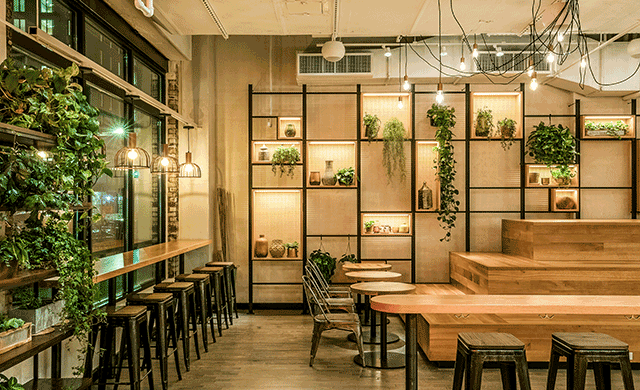
“This will lead to greater polarisation between service experience-led restaurants and those using tech, however consumers will need to pay more for the service experience, as capacities are going to be reduced for social distancing measures.”


IMG_2416.JPG


The new normal: a personal view

“I am so looking forward to being able to get out and experience the fantastic hospitality from our industry, and have mapped out the places and operations that I will make sure to visit, from a big steak at Hawksmoor, to a blow-out at MeatLiquor, a bacon naan at Dishoom, and a visit to Giplin Lodge in the Lake District to taste Hrishikesh Desai’s food, along with visits to the restaurants that I had to cancel pre-lockdown – Restaurant Story, Hand & Flowers and J SHeekey (I did have a few celebrations planned!).

“I will have concerns about mass gatherings in busy places, not from a personal fear, but from the worry about a future spike happening before any vaccine is developed and distributed, as a series of rolling lockdowns will be catastrophic for the industry.

The long term trends: purpose & fulfilment 

“And lastly, I have outlined a couple of long term consumer trends from my report on the Future 2030, that are more relevant now – Purpose and Fulfilment – and I will also be living my life with greater purpose towards caring for society and for the planet, and will also be setting out new goals so that I can achieve greater fulfilment from all areas of my business and personal life.”

To book in a free consultation with us on how best to reach customers as you plan for market changes, give us a call on 0208 256 1360 or email belinda@williammurray.co.uk



Insights & Trends

GLP-1s in away from home: IGD’s 2026 predictions

January 2026

By Shannon Goldsmith, senior insight analyst, IGD

The GLP-1 landscape continues to evolve rapidly. Growing attention and acceptance saw the proportion of people who have personally used the weight loss drugs grow by 1.1pp from June to September last year.

Our early research into the impact of GLP-1s has explored how users are changing their consumption behaviours both in and out of home. As we enter the new year, what could be the impact on the future of the away from home market?

How often and how much consumers eat out will dip

Almost a third of GLP-1 users say they are visiting restaurants less since they started taking the drugs, rising to 43% for fast food restaurants.  When they do choose to eat out, users are often opting for healthier dishes or smaller portions.

Eating out less often and eating less per occasion are worrying prospects for away from home operators. However, we have already seen operators start to cater for this dietary change, for example [US-based] Cuba Libre’s “GLP-Wonderful” menu of dishes which are high in protein and fibre and low in fat. While this menu has required additional development time in working with a certified obesity expert, there are opportunities within existing menus as a quick way to meet these new needs, for example smaller portions of existing dishes or making more of small plates and sharing dishes.

2026 prediction: Operators will react to lower footfall and spend with targeted menus. Nutritionist-approved dishes will likely start in higher-end restaurants, while quick service restaurants will stick to the common shortcuts that consumers are familiar with, like ‘high protein’ or ‘good for gut health’ and add these to menus as customisable options.

New food preferences will shape food trends

Food preferences are evolving among GLP-1 users, with a noticeable shift away from fatty, sweet, or creamy foods toward more savoury, hot, and crunchy options. Due to the significant reduction in calorie intake, there is an increased emphasis on food’s functionality, with individuals seeking to maximise nutritional value in smaller portions.

As more consumers begin using weight loss drugs, restaurant operators will need to consider these changing preferences when developing future menus. When people dine out in groups, it’s often the person with specific dietary requirements who reviews the menu beforehand to ensure their needs will be met. This individual can influence where the group decides to eat. As a result, offering options that appeal to GLP-1 users can affect the overall group’s choice of restaurant.

Retailers have already kicked off 2026 with innovative product launches aimed at GLP-1 users, covering both food-to-go and meal solutions, providing strong competition for out of home dining.

2026 prediction: It is unlikely that hospitality venues will introduce major menu changes aimed specifically at GLP-1 users in the near future. While we do not anticipate dedicated GLP-1 menus, we do expect to see more targeted dishes gradually appearing on menus, catering to both users and non-users.

Where consumers choose to go will be based on more than the food and drink on offer

Food-led sectors (restaurants, QSRs) are not the only sectors affected by lower visit frequencies. GLP-1 users also claim to be visiting pubs and bars less and ordering fewer drinks when they do. In part, this is being driven by a wider shift away from alcohol consumption for general health and wellness reasons. However, it has been reported that GLP-1s dampen the desire for alcohol, this alongside the high calorie count means that alcoholic drinks are less likely to fit into these consumers’ lifestyles.

Overall, consumers are placing less focus on food and drinks when going out, so operators must find new ways to encourage visits. Venues that have already introduced competitive socialising options are ahead, offering people opportunities to connect outside their homes without making food and drink the main attraction. For example, Market Halls’ Oxford Street site has been rebranded as ‘Games Hall’, adding pool tables, virtual darts, and shuffleboard alongside food vendors and bars. Places like this are likely to become popular spots for both GLP-1 users and non-users, as they offer a relaxed environment to socialise and cater to a variety of needs.

2026 prediction: The leisure sector will benefit as consumers free up their disposable income to spend in other areas, for example cinemas, gyms and competitive socialising venues. More traditional food and drink -led operators will look to incorporate more leisure elements and concepts where possible to appeal to these evolving consumer preferences.

Next steps for the away from home market

This landscape is rapidly changing. Growing uptake of the medications will mean new learnings and insights. This can pose a threat to the away from home market, with penetration, frequency and spend all being impacted. However, while growing, GLP-1 users do still represent a small proportion of the overall population, so while adaptations will need to be made to appeal to users and retain as many visits as possible, operators shouldn’t lose sight of the rest of the audience.

Keep up to date with all of IGD’s GLP-1 research here.

Insights & Trends

Food for thought – a review of foodie trends, campaigns and headlines in 2025

December 2025

By Lucy Britner, senior content consultant, William Murray

2025 will forever be the year of the strawberries and creme sandwich. A viral sensation from M&S, the sandwich was more popular on LinkedIn than a ChatGPT rant. And it didn’t take long for others to jump on the sweet sandwich trend – Tesco followed with a Birthday Cake sandwich, which even garnered a review in The Guardian.

The rise and rise of GLP-1 weight loss drugs has also dominated the headlines this year, with millions of consumers looking to the likes of Wegovy or Mounjaro to lose weight. The impact is being felt, with smaller portions becoming more prevalent. We expect this trend to continue into 2026 – and form part of a more nuanced debate, as new studies and habits emerge.

The November Budget was, of course, big news – and another hammer blow for the industry. As Kate Nicholls, chair of UKHospitality, put it: “Wage rises, holiday taxes and monumental increases in rateable values have put even further pressure on hospitality businesses, as a result of this Budget.” You can see what our finance director had to say about it, here.

In technology, the biggest story had to be the cyber attack on Marks & Spencer, no doubt leading businesses across retail and foodservice to look more closely at their own cyber security measures. A key consideration for anyone exploring crisis management.

In QSRs, healthy fast food chain Leon hit the headlines after the business was reacquired by its co-founder, John Vincent. There’s restructuring work going on at the moment, with the closure of unprofitable outlets and the prospect of more openings, once the ship is back on course.

Towards the end of the year, celebrity chef Jamie Oliver announced plans to relaunch Jamie’s Italian, six years after it disappeared from the high street. As fashion trends continue to work their way from the 90s and into noughties nostalgia, can we expect more brand revivals from the early 2000s?

Several campaigns also captured attention this year, particularly in the fast food world. Burger King’s Wagyu campaign was a stand-out, as was a Happy Meal campaign from McDonald’s, which struck a more serious note. In November, McDonald’s launched it first-ever blank Happy Meal box, encouraging kids to draw how they feel. The move followed research that found that 42% of kids struggle to talk to adults about how they feel, but 73% find it easier to talk about feelings when drawing.