“Ethics are leading the way in driving consumer behaviour.”
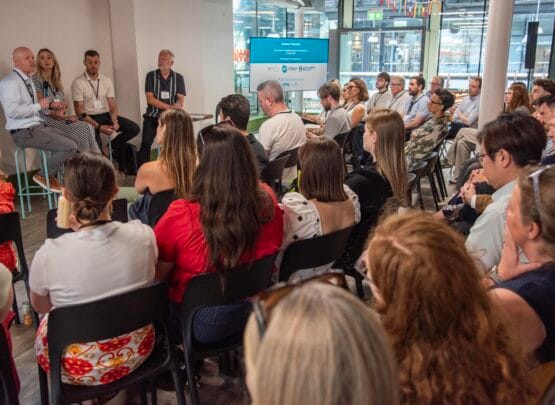
Earlier in the summer, we were at the FDIN ‘Global Trends’ Conference. An exceptional setting, exciting speed-networking and expert speakers made it an event to remember. Here are some of our highlights.
A plate of sustainability, with a side of ethics
Snact co-founder Michael Minch-Dixon discussed one of the biggest topics in food and drink today: sustainability and the environment.
Vegetarian and vegan approaches to food aren’t simply fads. They are both very much here to stay. But more than ever, being veggie or vegan is less about the food you’re eating, and more about the environmental issues you’re preventing. Ethics are leading the way in driving consumer behaviour.
Michael flagged water scarcity as the ‘next palm oil’: a global epidemic that will affect food production, agriculture and ultimately, survival. So, a pretty big deal.
Keep an eye out for brands becoming ‘water neutral’ – it may well become the ‘next big ethical credential’. The brand that can’t make that claim may end up suffering because of it.
The ‘average shopper’ is no more
Variety is the spice of life. It’s also a spice that’s killed the concept of the average shopper according to David Jago, trends & innovation director at Mintel. Curiosity, broadened tastes and greater choice mean that now more than ever, no two shopping baskets are the same.
Today’s ever curious shopper has triggered a whole lot of product development. David said that a whopping 250,000 new products come to market every single year. NPD in the food and drink space has grown 20% in four years, largely caused by the rise of the flexitarian.
Veggie snacks and alternative dairy products are stealing share from traditional brands. And everyone’s favourite hipster stereotype (and still the coolest new kid on the coffee scene), cold brew coffee, is expected to sit at the forefront of upcoming NPD.
Pack it up, pack it in, let plastic-free begin
Philip Chadwick, editor at Packaging News, named Theresa May and David Attenborough the “two most influential people in packaging today”. After the (not-so) genius of the subtitle above, I hope I’m now at least third on the list.
Philip discussed the resurgence of metal and glass as standard packaging options. Not only are the two simpler to recycle that plastic, they provide a more premium feel. The fight against plastic looks set to continue, with ‘plastic free’ in-line to become a ‘trust marque’ in years, if not months.
Despite this, there’s a blunt reality in the world of recycling. Philip explained how the UK doesn’t have a commercially viable or practical infrastructure to recycle all the products that end up ‘mixed together’. Consumers still need greater education on what, when and how products should be recycled. Everyone knows they should, but the practical advice on how to do it is still lacking. Brands that can lead the way in education may lead the way in customer trust and loyalty.
Nothing beats something new
Gü Puds international sales director, Simon Bullen, was on hand to talk about the nuances / Güances (sorry) of NPD.
Simon has seen great success at Jordan’s, Twinings and Gü, with each brand always looking to drive NPD around localised tastes. He explained that too many companies try to run before they can walk. Focus on the tastes in your domestic market before even thinking about going global. As he put it, until you’ve faced the challenges that can arise on your own backyard, you’re not ready for those that appear on someone else’s.
All the speakers covered different themes and topics, but one message stood out. Nothing beats something new. Whether it’s a new approach to recycling education; a new strategy to appeal to the domestic market; the newest must-have ethical credential; or one of the 250,000 new products everyone enjoys each year.
New is always exciting, but it always comes with challenges. How many of those 250,000 products will survive into next year? Will cold brew stand the test of time, or be taken over by the next big thing? Will any investment into glass and metal packaging be redundant as plastic recycling technologies improve?
That’s the problem with new, you never know what will happen. It’s a challenge, but one thing’s for sure – it’s always an exciting one.