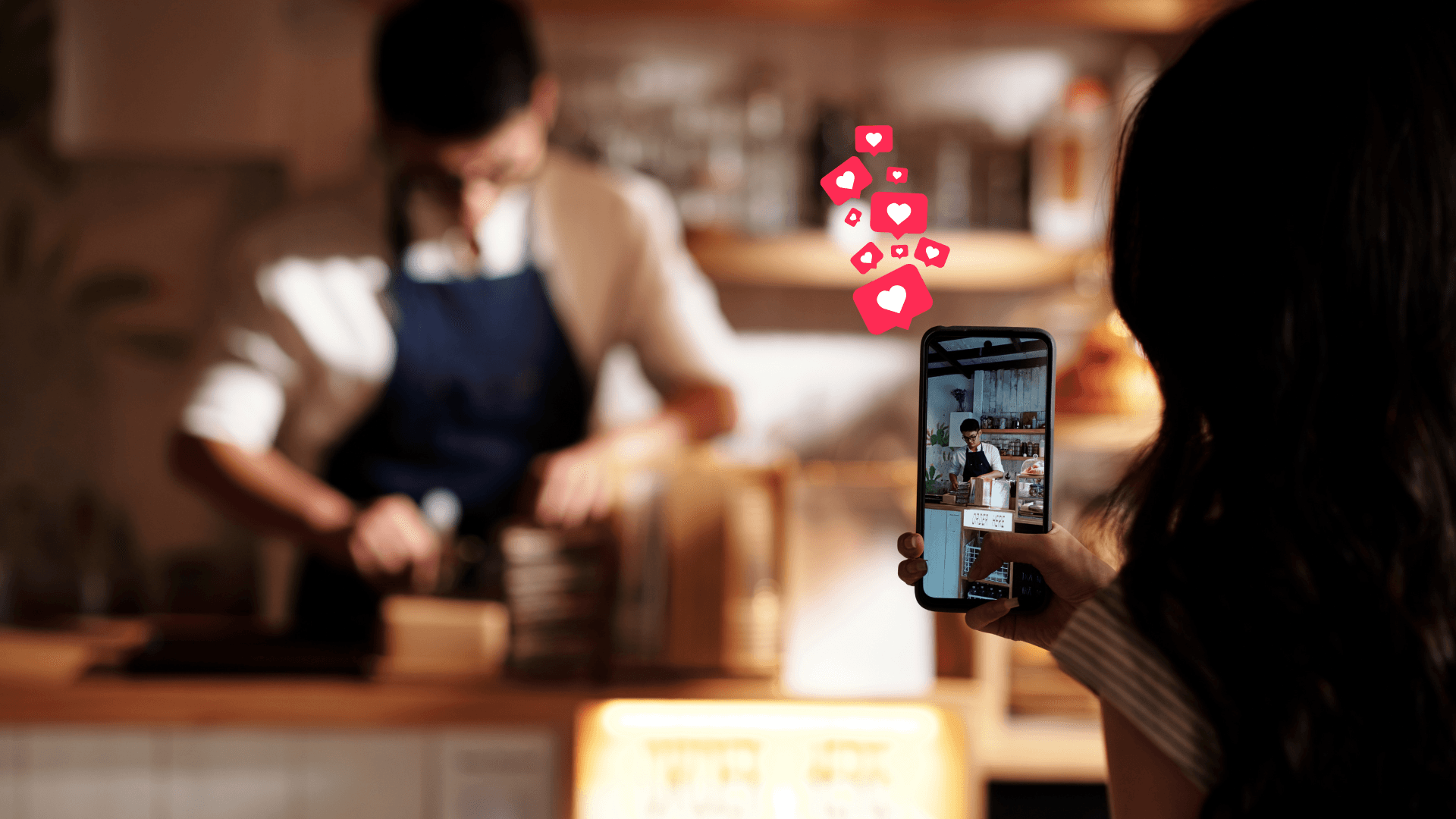
TikTok continues to be a highly influential platform for culinary creativity. As of this month, the hashtag “#foodtok” alone has accumulated over 4 million videos, and there are a whopping 1 billion food related videos on the platform.
With viral recipes and new food trends popping up almost daily, TikTok is influencing consumer choices, with stats showing that in US, 53% of the app’s users have visited or ordered food from a restaurant after seeing a TikTok video about it. Professional chefs have also acknowledged the impact of the app on the culinary scene, with many using the platform as a source of menu inspiration and to stay ahead of emerging food trends.
As we start to reflect on 2024, here are some of the food trends that have captivated TikTok, inspiring foodies to push their culinary boundaries and chefs to experiment in their kitchens.
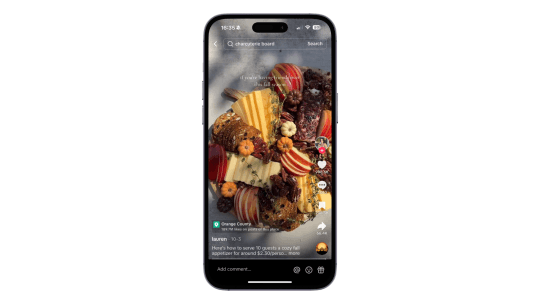
1. ‘Butter boards’ evolve
Butter boards became a massive trend in 2022, and this year, TikTok has expanded the concept to new levels. From pasta boards to cheese dip boards and seasonal boards, creators are transforming the traditional way of serving spreads and dips into visually appealing, shareable platters. The trend is all about creating an experience, with toppings arranged for visual appeal and maximum flavour. And it’s firmly tipped into foodservice with butter boards now mainstream. And the likes of Quality Bistro in New York leading the way with their butter board service.
This trend also happens to be one of Jason Radbourn’s (head of food and product innovation at Greene King) favourite ones for 2024! To see the rest on his favourite’s list, read his full interview here.
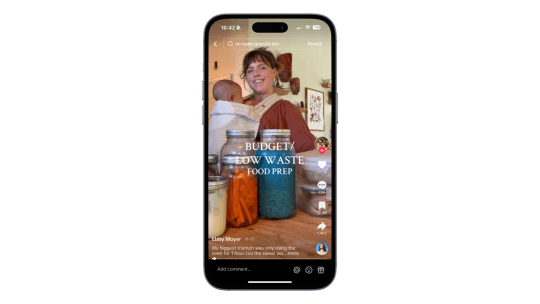
2. Low-waste kitchen hacks
Low-waste cooking has surged in popularity, with creators sharing tips on using every part of an ingredient, from carrot tops to potato skins. These hacks help reduce food waste while promoting a mindful approach to cooking and dining out. Expect to see a lot of “scrap soups,” vegetable stock from leftovers, and even recipes that turn overripe fruits into flavourful sauces or baked goods.
A popular chef on Tiktok, Martyn Odell aka Lagomchef, has dedicated his account to sharing food waste hacks, including a recent pumpkin mac and cheese recipe. His simple moto is: “eat the food you buy, it’s the best solution to food waste!”
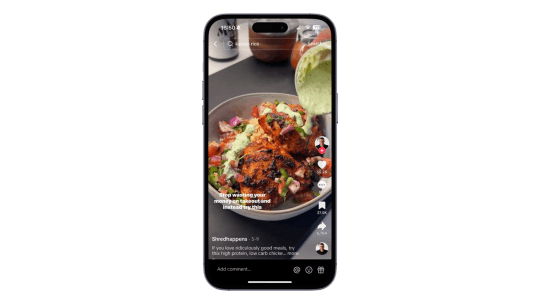
3. High-protein, low-carb meals
As health-conscious eating evolves, TikTok is reinventing high-protein, low-carb meals. Creators are experimenting with innovative ways to enjoy low-carb favourites like cauliflower gnocchi, zucchini noodles, and protein-packed salads, providing foodservice professionals with plenty of recipe inspiration to refresh their menus and cater to health-conscious diners.
We are loving that this trend has been embraced by high street giants like Byron Burgers and Five Guys, who offer lettuce wraps and bunless options, as well as Itsu, who have lots of low-carb choices.
4. Cooking from scratch
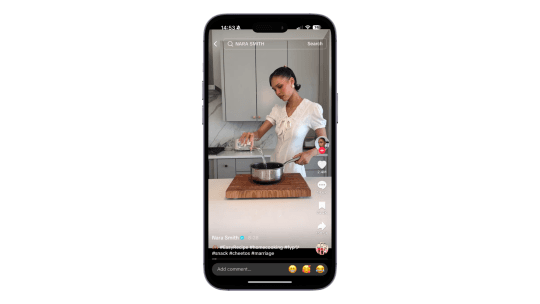
From homemade Nutella to DIY versions of Doritos and other snacks, TikTok is full of creators reimagining their favourite recipes at home. The trend of cooking from scratch is making a strong comeback, and we’re seeing some of the UK’s top chefs and restaurants fully embracing it. Calum Franklin is famous for his intricate, from-scratch pies, showcasing the best of traditional British cooking. Over at Juliet in Stroud, chefs Oli Gyde and Will Rees are putting a fresh spin on French and Italian-inspired dishes, all made with authentic techniques. And then there’s St John in London, where Fergus Henderson has been committed to nose-to-tail cooking since 1994, creating honest, unpretentious dishes from scratch. It’s clear that this movement is all about bringing back authentic flavours and the kind of care that makes each dish special.
5. Crumbl cookie craze
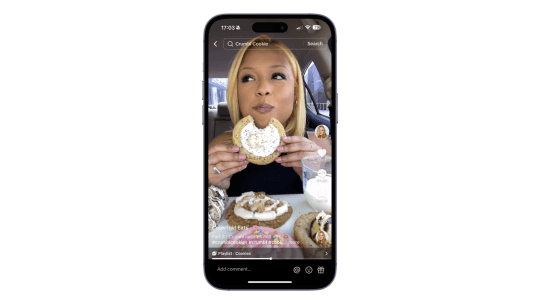
The Crumbl cookie trend took TikTok by storm in 2024, with creators trying different flavours every week and sharing their reviews. Many also made mukbang-style videos to taste-test these oversized, bakery-style cookies on camera. From classic chocolate chip to limited-edition seasonal flavours, these reviews became a weekly ritual for cookie lovers, blending food critique with entertainment.
While we don’t have Crumbl cookies in the UK, many have tried to find an available equivalent – with people recommending different independent bakeries, as well as claiming Sainsbury’s patisserie cookies are the closest match.
6. Elevated mocktails
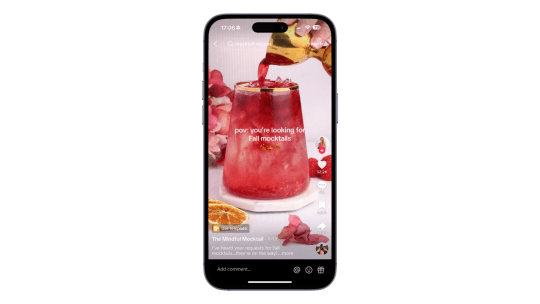
The rise of mindful drinking is influencing TikTok’s food scene, with mocktail recipes becoming more sophisticated. Ingredients like butterfly pea flower, elderflower syrup, non-alcoholic spirits, and even the trending Sleepy Girl Mocktail are used to create vibrant, flavourful drinks that feel indulgent without the alcohol. Elevated mocktails are popular for those participating in “dry months” or simply looking to enjoy a delicious, alcohol-free beverage, presenting an opportunity for bars and restaurants to diversify their drink offerings and attract non-drinkers.
This trend aligns with the growing no- and low-alcohol market, which has seen significant growth in recent years. According to IWSR, the no-alcohol category is expected to spearhead growth in the no/low-alcohol sector, with volumes projected to grow at a compound annual growth rate (CAGR) of +9% between 2022 and 2026.
7. Air fryer reinventions
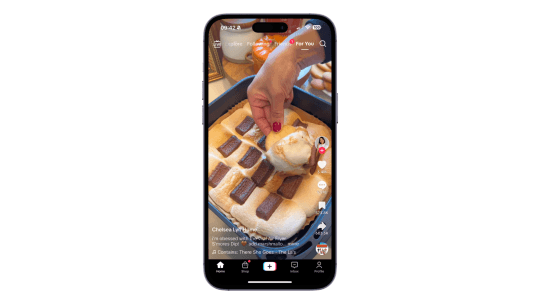
Air fryers have become a staple in modern kitchens, and in 2024, TikTokers continue to explore innovative uses for this versatile appliance. From air-fried s’mores to crispy vegetable-based chips, the possibilities seem endless.
Professional chefs have also embraced air fryers for their convenience and health benefits. Many chefs appreciate the ability to achieve crispy textures with minimal oil, making it a healthier alternative to traditional frying methods. The versatility of air fryers enables chefs to experiment with a wide range of dishes, from appetizers to desserts, enhancing their culinary creativity. Most importantly, the quick cooking times and energy efficiency of air fryers align with the fast-paced environment of professional kitchens, allowing chefs to deliver high-quality dishes quickly.
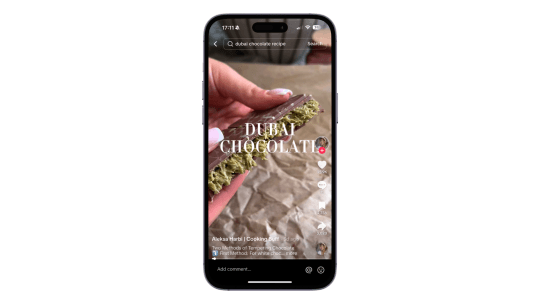
8.Dubai chocolate sensation
We can’t finish the trends list without mentioning the viral Dubai chocolate trend. This luxurious pistachio and kunafa-filled chocolate bar became an instant sensation, with TikTokers eager to try it for themselves. For those who couldn’t get their hands on the original, recreating it at home became the next best thing, resulting in hundreds of recipe videos popping up all over TikTok.
In the UK, M&S has also caught TikTok’s attention with their Big Daddy chocolate bar, which many have dubbed to be the shop’s take on the Dubai chocolate bar. This connection helped the Bid Daddy bar go viral, leading to it being sold out for months, further demonstrating the influence of TikTok on product demand.
TikTok’s food trends in 2024 highlight a mix of sustainability, creativity, indulgence, and practical solutions for the foodservice and hospitality industry. From low-waste cooking to opulent Dubai-inspired chocolates, and from comforting homemade treats to sophisticated mocktails, these trends are about pushing boundaries while embracing health and fun. Whether you’re aiming for an eco-friendly kitchen or simply want to recreate a viral recipe, TikTok offers endless inspiration for every palate, providing valuable insights and ideas that foodservice businesses can adapt to stay relevant and appealing to their customers.