Uncategorized

In the Know: The Frantic Foodie’s Guide to Sustainability

September 2019


farsai-chaikulngamdee-7wQs3fIgOZ0-unsplash.jpg

“just one look at McDonald’s recent plastic-to-paper straw fiasco proves that good intentions can come a cropper.”


Less plastic! Zero waste! We have the best of intentions when it comes to living more sustainably but sometimes life, laziness or an overwhelming number of options gets in the way.  

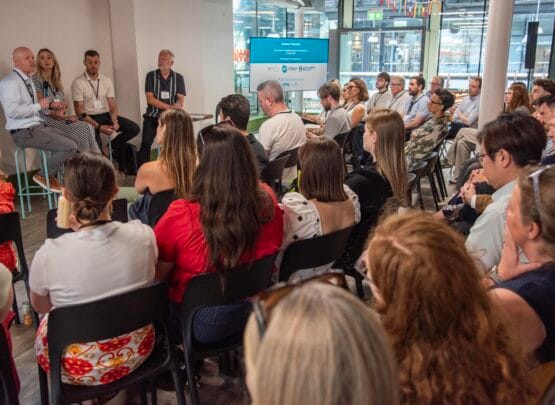
Inspired by a gathering of some of the food and hospitality industry’s most respected women – Melissa Hemsley, Skye Gyngell, Grace Dent, Anita Rani and Jules Pearson – for The Sustainability Sessions: The State of Your Plate at Ennismore Sessions House last week, we’ve compiled a quick, easy guide to the waste warriors who get the thumbs-up from some of the best in the business.  


Great Plates  

More than 90% of consumers expect operators to act sustainably, but just one look at McDonald’s recent plastic-to-paper straw fiasco proves that good intentions can come a cropper. So which places are doing things properly? 

Silo 

https://silolondon.com/ 

London on the Inside’s Jules Pearson can’t speak highly enough of this zero-waste restaurant that has just opened in Hackney alongside Crate Brewery.  Plates formed from plastic bags, crockery from crushed wine bottles and even its own flour mill, Silo’s chef and owner Joost Bakker takes sustainability seriously and it has never tasted so good.  

Spring 

http://springrestaurant.co.uk/menus/pre-theatre-scratch-menu/ 

The lady who warmed our hearts when she declared ‘veganism is not the answer!’, celebrated chef Skye Gyngell has ditched all single-use plastics at her restaurant Spring (including a momentous crackdown on the 800km of cling film they were using each year).  But what we really love is the daily Scratch Menu. Served from 5.30pm-6.30pm the dishes are created using ‘waste’ produce. Beetroot tops and potato skins turned into simple soups. Trimmings from house-made pasta baked with leftover cheese, or yesterday’s bread transformed into warm bread pudding served with a spoonful of last year’s Fern Verrow gooseberry jam. The price reflects the produce (£20 for three courses) so it’s also a great way to experience Spring at a lower price point and enjoy a top quality and interesting pre-theatre feed.  

The Small Holding  

https://thesmallholding.restaurant/ 

This gem, nestled in the Kentish countryside, was top of restaurant critic Grace Dent’s recommendation list.  The kitchen, led by award-winning chef Will Devlin, harnesses the fresh ingredients grown (or reared) in the farm on site in Kilndown, along with foraged bounty. Super seasonal, loyally local, and fiercely fresh.     


Shop Smart 

While the supermarkets are making promises to minimise pointless plastic packaging, smaller, independent, more nimble shops are just getting on and eradicating it altogether.    

Hero Market 

https://heromarket.co.uk/ 

We already love Crystal Palace as a destination for independent shops, boutiques, cafes and restaurants and now they’ve got their own plastic free grocery store, we heart it even more.  As well as cutting down on pointless plastics and single use packaging, zero waste shopping from the likes of Hero Market can help combat food waste as its very nature encourages us to only buy what we need plus helps us choose healthier ingredients. Follow them on Insta to be the first to know when they have new stock arriving.  

Plastic Freedom  

https://www.plasticfreedom.co.uk/ 

Time-poor Londoners, or those still waiting on great local options, can get online with plastic-free, vegan online shop, Plastic Freedom. Home, beauty, travel, food, clothing, even pets – all life’s categories are covered. Plus, for every order, one tree is planted in the Amazon Rainforest offsetting the usual guilt of an online splurge. Winning.   

USELESS 

https://useless.london/ 

This website (pronounced “Use Less”) is London’s first digital directory dedicated to showcasing the capital’s zero-waste shops.  As well as the interactive map to point you to your nearest zero waste shops, the site also offers a ‘survival kit’ of ethical products you can buy to help lessen your impact on the environment such as bamboo toothbrushes and cling film alternatives.   


There’s an app for that 

Yes, there’s an app for everything, but some are definitely worth the download. Who better to tell us her top three sustainable selection than Jules from our city’s food and trends bible London On The Inside?  

OLIO 

https://olioex.com/ 

Who doesn’t hate throwing away good food? But with so many of us living alone or with busy last-minute life plans, that stocked fridge can soon go to waste. Olio connects neighbours so you can share food, rather than chuck it away. Just snap a photo, set the pick-up location, get notified when you get a request, and boom – you’ve reduced your waste and given a neighbour a free feed.  

Too Good To Go 

https://toogoodtogo.co.uk/ 

Join
the world’s largest community of waste warriors. These guys bag up all the delicious, perfectly edible food that stores and restaurants have to throw out at the end of the day and sell it onto app users at a discounted price. To date, the app’s 1.4 million users have ‘saved’ 20,672,736 meals from going in the bin which equates to 52,477 tonnes of C02.  

Dabba Drop 

https://dabbadrop.co.uk/how-it-works 

Love a takeaway but get post-gorging guilt when you see all the plastic tubs piled up by the bin? Switch to Dabba Drop. Currently delivering to Hackney, Leyton and Walthamstow, these fresh cooked curries get delivered to your door in re-useable stainless steel tiffin boxes which you swap each time you get a delivery.  Set up a subscription for one or two dabba drops per month and consider your Friday night takeaway plans sorted. They also keep for up to four days in the fridge! 


There are still tickets available for other informative and engaging Sustainability Sessions. Check out the future line-ups here 

https://www.thesustainabilitysessions.co.uk/ 


Insights & Trends

GLP-1s in away from home: IGD’s 2026 predictions

January 2026

By Shannon Goldsmith, senior insight analyst, IGD

The GLP-1 landscape continues to evolve rapidly. Growing attention and acceptance saw the proportion of people who have personally used the weight loss drugs grow by 1.1pp from June to September last year.

Our early research into the impact of GLP-1s has explored how users are changing their consumption behaviours both in and out of home. As we enter the new year, what could be the impact on the future of the away from home market?

How often and how much consumers eat out will dip

Almost a third of GLP-1 users say they are visiting restaurants less since they started taking the drugs, rising to 43% for fast food restaurants.  When they do choose to eat out, users are often opting for healthier dishes or smaller portions.

Eating out less often and eating less per occasion are worrying prospects for away from home operators. However, we have already seen operators start to cater for this dietary change, for example [US-based] Cuba Libre’s “GLP-Wonderful” menu of dishes which are high in protein and fibre and low in fat. While this menu has required additional development time in working with a certified obesity expert, there are opportunities within existing menus as a quick way to meet these new needs, for example smaller portions of existing dishes or making more of small plates and sharing dishes.

2026 prediction: Operators will react to lower footfall and spend with targeted menus. Nutritionist-approved dishes will likely start in higher-end restaurants, while quick service restaurants will stick to the common shortcuts that consumers are familiar with, like ‘high protein’ or ‘good for gut health’ and add these to menus as customisable options.

New food preferences will shape food trends

Food preferences are evolving among GLP-1 users, with a noticeable shift away from fatty, sweet, or creamy foods toward more savoury, hot, and crunchy options. Due to the significant reduction in calorie intake, there is an increased emphasis on food’s functionality, with individuals seeking to maximise nutritional value in smaller portions.

As more consumers begin using weight loss drugs, restaurant operators will need to consider these changing preferences when developing future menus. When people dine out in groups, it’s often the person with specific dietary requirements who reviews the menu beforehand to ensure their needs will be met. This individual can influence where the group decides to eat. As a result, offering options that appeal to GLP-1 users can affect the overall group’s choice of restaurant.

Retailers have already kicked off 2026 with innovative product launches aimed at GLP-1 users, covering both food-to-go and meal solutions, providing strong competition for out of home dining.

2026 prediction: It is unlikely that hospitality venues will introduce major menu changes aimed specifically at GLP-1 users in the near future. While we do not anticipate dedicated GLP-1 menus, we do expect to see more targeted dishes gradually appearing on menus, catering to both users and non-users.

Where consumers choose to go will be based on more than the food and drink on offer

Food-led sectors (restaurants, QSRs) are not the only sectors affected by lower visit frequencies. GLP-1 users also claim to be visiting pubs and bars less and ordering fewer drinks when they do. In part, this is being driven by a wider shift away from alcohol consumption for general health and wellness reasons. However, it has been reported that GLP-1s dampen the desire for alcohol, this alongside the high calorie count means that alcoholic drinks are less likely to fit into these consumers’ lifestyles.

Overall, consumers are placing less focus on food and drinks when going out, so operators must find new ways to encourage visits. Venues that have already introduced competitive socialising options are ahead, offering people opportunities to connect outside their homes without making food and drink the main attraction. For example, Market Halls’ Oxford Street site has been rebranded as ‘Games Hall’, adding pool tables, virtual darts, and shuffleboard alongside food vendors and bars. Places like this are likely to become popular spots for both GLP-1 users and non-users, as they offer a relaxed environment to socialise and cater to a variety of needs.

2026 prediction: The leisure sector will benefit as consumers free up their disposable income to spend in other areas, for example cinemas, gyms and competitive socialising venues. More traditional food and drink -led operators will look to incorporate more leisure elements and concepts where possible to appeal to these evolving consumer preferences.

Next steps for the away from home market

This landscape is rapidly changing. Growing uptake of the medications will mean new learnings and insights. This can pose a threat to the away from home market, with penetration, frequency and spend all being impacted. However, while growing, GLP-1 users do still represent a small proportion of the overall population, so while adaptations will need to be made to appeal to users and retain as many visits as possible, operators shouldn’t lose sight of the rest of the audience.

Keep up to date with all of IGD’s GLP-1 research here.