“With ‘no or low’ alcohol brands such as Seedlip proving that spirits don’t need a hefty alcohol content, and new offerings popping up such as Heineken’s 0.0% beer, mindful drinking is definitely on the public’s and industry’s agenda. “
Earlier this month, the team had the pleasure of attending Food Meets Finance, an Informed Funding event focused on the opportunities for ambitious food, drink and hospitality businesses.
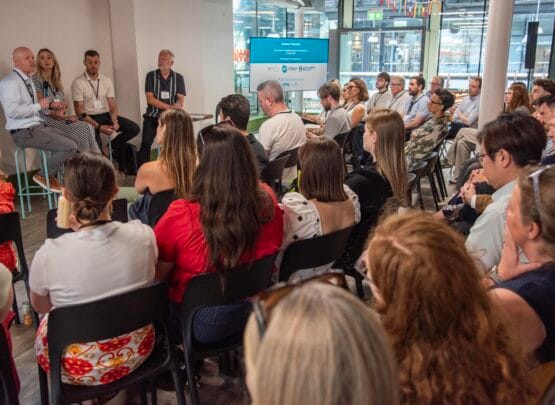
After a day of finance consultancy sessions, we sat down for the ‘Profiting from Trends in Food, Drink and Hospitality’ panel to hear about the current trends in the space. The panel consisted of Laura Willoughby MBE, co-founder of mindful drinking movement Club Soda; Mark Francis, coach and mentor at The Uspire Group; Patrick Ryan, equity fundraising manager at Crowdcube; and our very own CEO, Anita Murray.
As you can imagine, Brexit is an inevitable subject cropping up both for the finance and food, drink and hospitality industries, especially when it comes to supply.
For finance, Patrick Ryan described a dip in the investment market as a result of Brexit, questioning whether we will experience a recession in the coming years. However, this could present new business opportunities such as export and increased manufacturing. Building upon this point, Anita Murray agreed there is opportunity for British suppliers, foreseeing a growing support for local British products in light of Brexit.
So what are the other hot topics for food and drink businesses in 2019?
Mindful drinking
With ‘no or low’ alcohol brands such as Seedlip proving that spirits don’t need a hefty alcohol content, and new offerings popping up such as Heineken’s 0.0% beer, mindful drinking is definitely on the public’s and industry’s agenda.
Both Patrick Ryan and Laura Willoughby agreed that the mindful drinking movement isn’t going anywhere. Innovation in consumer goods continues to drive forward, alongside impactful research and development based on consumer insight.
To this point, Willoughby explained her background in the Mindful Drinking Movement, having launched Club Soda (likened to a ‘club’ similar to Weight Watchers!) after recognising the need to take a break from alcohol.
Referencing a stagnation in alcohol sales over the past few years, she mentioned how Club Soda organised the Mindful Drinking Festival, which is a popular event amongst the organisation’s 30,000 members.
The rise of meat-free
Anita Murray drew our attention to continued growth in the meat-free sector, and how more consumers are adopting meat-free or reduced meat diets. With ingenious products and innovations popping up from the likes of Oumph and Quorn, the meat free market is showing no sign of slowing down.
In recent years, dairy alternatives have cropped up in our supermarkets, and in cafes and restaurants too. Innovations in this space keep on coming, with oats, soya and coconut widely used alternatives, as well as newcomers such as hemp milk.
Health and wellness
In many aspects, health and wellness is a significant trend not only in the food industry but increasingly within modern culture. From #selflove, veganism, keto or meditation (the list goes on), people are prioritising physical and mental wellbeing and incorporating different and new healthy practices into their lifestyles.
Laura Willoughby mentioned the growing trend of health and wellness amongst hospitality employees. With long hours, demanding physical work and intense environments, the wellbeing of hospitality professionals should be a growing priority for employers and the industry. Laura mentioned that Club Soda is looking at how it can develop its tools to help people stay healthy whatever the industry they work in.
Widespread sustainability
Consumers and the industry are becoming more planet-conscious than ever. Sustainability is now defining ad campaigns, business practice, government policy, product development, and even down to how consumers recycle and small, everyday life choices. Anita Murray noted a real, growing appetite for ethical consumerism, and how more businesses are rightfully putting sustainable practices on the agenda. For instance, supermarkets are joining the fight against plastic, with Morrison’s banning plastic bags, and Lidl banning black plastics.