Insights & Trends

“What really resonated was how much of the conversation came back to people” –  Arena Networking Navigator event takeaways  

November 2025

William Murray intern Finley Young shares learnings from his first foodservice and hospitality industry event  

I’ve always believed the best conversations happen over food, so walking into Seven Dials Market for the latest Arena Futures event felt like the perfect setting. The place was alive with the sound of chatter, laughter and sizzling pans. It wasn’t your typical conference venue. It was vibrant, informal and full of energy.  

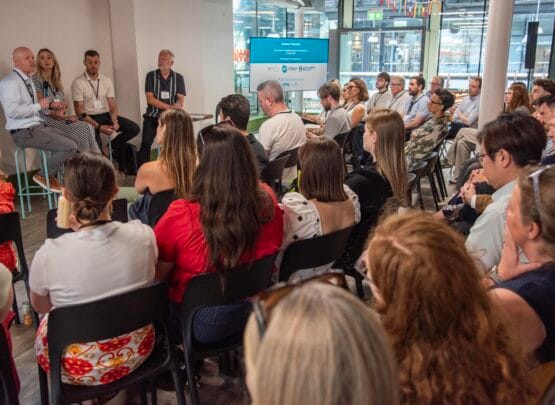
The event was part of the Arena Networking Navigator Programme, a new initiative designed to help rising talent in hospitality build confidence and make lasting connections. It didn’t feel like a training session; it felt like a genuine coming together of people who care deeply about where the industry is heading. 

After a bit of networking (and a bite of something delicious, I recommend the Bacon Double Cheeseburger from Bleecker, it was unbelievable), we gathered for the main session.  

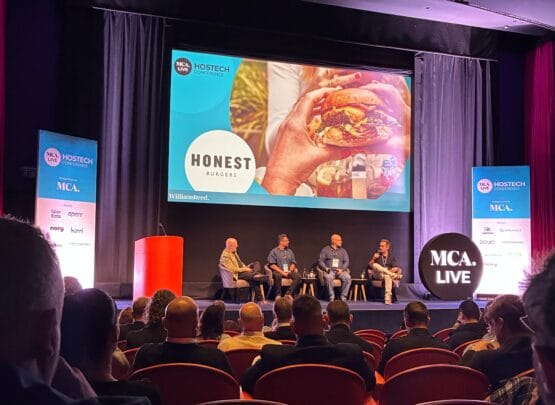
This year’s panel, hosted by our own Lucy Britner, included Richard Franks from Shake Shack, Ryan Candy from Sodexo and Rachel House from Impetus. The panel discussion struck an honest, down-to-earth tone, no corporate jargon, no polished scripts, just three people sharing their journeys, the mistakes they’ve made and the lessons that stuck. 

What really resonated with me was how much of the conversation came back to people. Richard talked about leadership as being present, actually taking the time to know your team and help them grow. Rachel spoke about curiosity and how it drives confidence and creativity, while Ryan reminded me that networking is about making genuine, human connections – not collecting contacts. 

That one really landed with me, especially in a world where networking can sometimes feel like a box to tick rather than something normal and meaningful. 

As I looked around the room, I could see heads nodding, people laughing, exchanging details, or chatting quietly between questions. There was a real sense of community, like everyone there, no matter their role or level, wanted to be part of building a better, more connected industry. 

Throughout the afternoon, I found myself chatting with people from all corners of the sector, each with a story to tell and with an infectious enthusiasm. There was a genuine buzz; a sense that everyone there believed in the future of hospitality, even amid the challenges. 

I left feeling energised. The openness, the collaboration, the sense that everyone’s rooting for each other really struck a chord with me. 

So, a big thanks to KERB, Arena and the brilliant panellists for an afternoon that was as inspiring as it was authentic. Proof that when you bring good people together, great things happen. I left with a full stomach, a brain full of ideas, and, most importantly, a reminder that connection really is the heart of hospitality.  
Insights & Trends

GLP-1s in away from home: IGD’s 2026 predictions

January 2026

By Shannon Goldsmith, senior insight analyst, IGD

The GLP-1 landscape continues to evolve rapidly. Growing attention and acceptance saw the proportion of people who have personally used the weight loss drugs grow by 1.1pp from June to September last year.

Our early research into the impact of GLP-1s has explored how users are changing their consumption behaviours both in and out of home. As we enter the new year, what could be the impact on the future of the away from home market?

How often and how much consumers eat out will dip

Almost a third of GLP-1 users say they are visiting restaurants less since they started taking the drugs, rising to 43% for fast food restaurants.  When they do choose to eat out, users are often opting for healthier dishes or smaller portions.

Eating out less often and eating less per occasion are worrying prospects for away from home operators. However, we have already seen operators start to cater for this dietary change, for example [US-based] Cuba Libre’s “GLP-Wonderful” menu of dishes which are high in protein and fibre and low in fat. While this menu has required additional development time in working with a certified obesity expert, there are opportunities within existing menus as a quick way to meet these new needs, for example smaller portions of existing dishes or making more of small plates and sharing dishes.

2026 prediction: Operators will react to lower footfall and spend with targeted menus. Nutritionist-approved dishes will likely start in higher-end restaurants, while quick service restaurants will stick to the common shortcuts that consumers are familiar with, like ‘high protein’ or ‘good for gut health’ and add these to menus as customisable options.

New food preferences will shape food trends

Food preferences are evolving among GLP-1 users, with a noticeable shift away from fatty, sweet, or creamy foods toward more savoury, hot, and crunchy options. Due to the significant reduction in calorie intake, there is an increased emphasis on food’s functionality, with individuals seeking to maximise nutritional value in smaller portions.

As more consumers begin using weight loss drugs, restaurant operators will need to consider these changing preferences when developing future menus. When people dine out in groups, it’s often the person with specific dietary requirements who reviews the menu beforehand to ensure their needs will be met. This individual can influence where the group decides to eat. As a result, offering options that appeal to GLP-1 users can affect the overall group’s choice of restaurant.

Retailers have already kicked off 2026 with innovative product launches aimed at GLP-1 users, covering both food-to-go and meal solutions, providing strong competition for out of home dining.

2026 prediction: It is unlikely that hospitality venues will introduce major menu changes aimed specifically at GLP-1 users in the near future. While we do not anticipate dedicated GLP-1 menus, we do expect to see more targeted dishes gradually appearing on menus, catering to both users and non-users.

Where consumers choose to go will be based on more than the food and drink on offer

Food-led sectors (restaurants, QSRs) are not the only sectors affected by lower visit frequencies. GLP-1 users also claim to be visiting pubs and bars less and ordering fewer drinks when they do. In part, this is being driven by a wider shift away from alcohol consumption for general health and wellness reasons. However, it has been reported that GLP-1s dampen the desire for alcohol, this alongside the high calorie count means that alcoholic drinks are less likely to fit into these consumers’ lifestyles.

Overall, consumers are placing less focus on food and drinks when going out, so operators must find new ways to encourage visits. Venues that have already introduced competitive socialising options are ahead, offering people opportunities to connect outside their homes without making food and drink the main attraction. For example, Market Halls’ Oxford Street site has been rebranded as ‘Games Hall’, adding pool tables, virtual darts, and shuffleboard alongside food vendors and bars. Places like this are likely to become popular spots for both GLP-1 users and non-users, as they offer a relaxed environment to socialise and cater to a variety of needs.

2026 prediction: The leisure sector will benefit as consumers free up their disposable income to spend in other areas, for example cinemas, gyms and competitive socialising venues. More traditional food and drink -led operators will look to incorporate more leisure elements and concepts where possible to appeal to these evolving consumer preferences.

Next steps for the away from home market

This landscape is rapidly changing. Growing uptake of the medications will mean new learnings and insights. This can pose a threat to the away from home market, with penetration, frequency and spend all being impacted. However, while growing, GLP-1 users do still represent a small proportion of the overall population, so while adaptations will need to be made to appeal to users and retain as many visits as possible, operators shouldn’t lose sight of the rest of the audience.

Keep up to date with all of IGD’s GLP-1 research here.