Uncategorized

The expectations of the modern consumer

October 2018


rod-long-655834-unsplash.jpg

“It is getting Harder and harder to please the modern consumer. With fast, Cheap and reliable a standard commodity how do you stand out?”


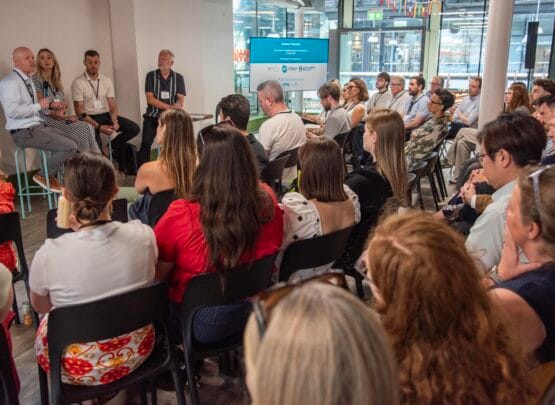
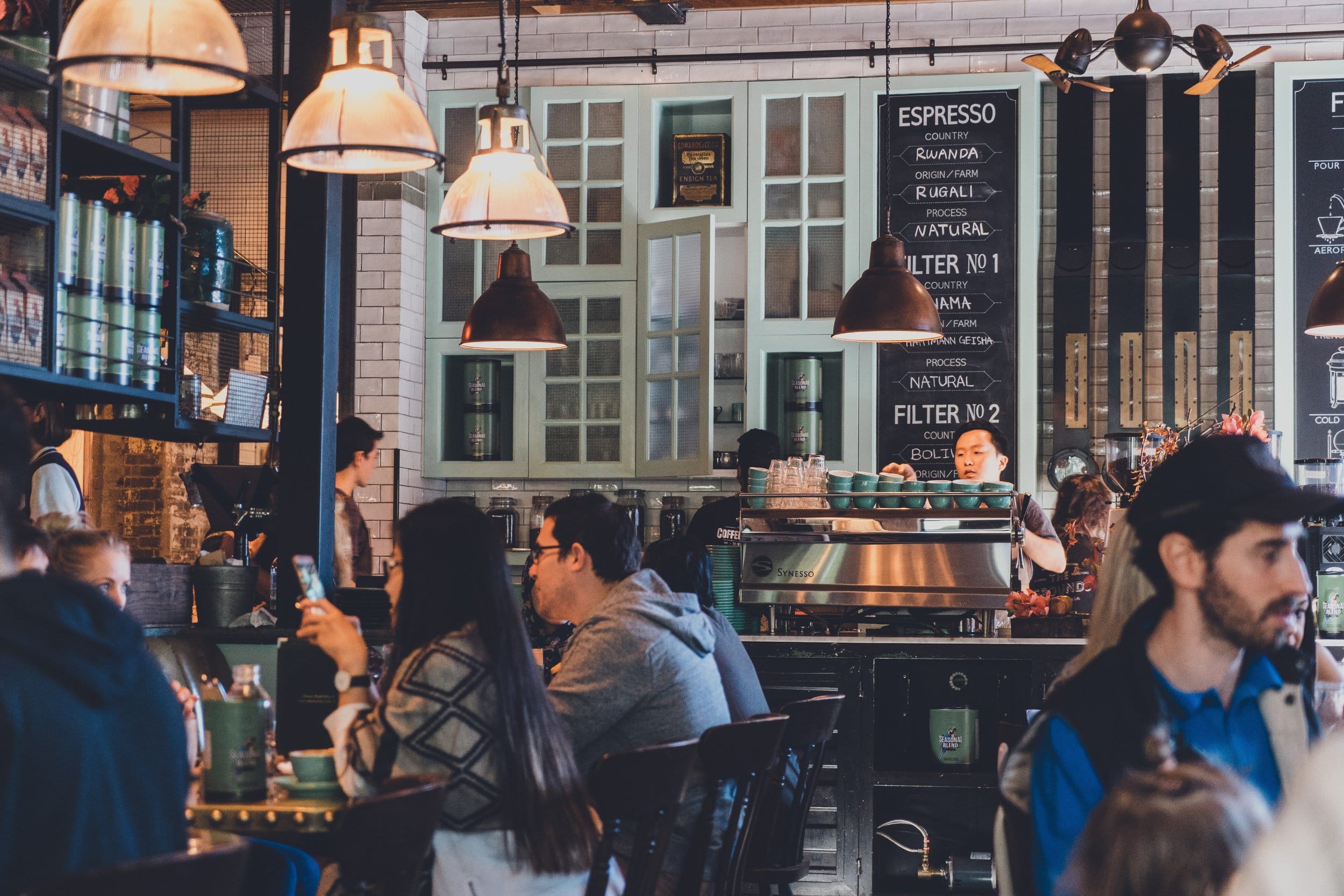
We attended Caffe Culture and The Independent Hotel this week and both were packed with insight. At Caffe Culture we had the excitement of the SCA UK Latte Art Championships and more coffee than we knew what to do with, I haven’t slept since!

At these recent shows some themes have been constant, such as sustainability, the rise of veganism and the nod to the healthy life. However, with these two shows the demand of the modern consumer and the call for an experience stood out.

The rise of the experience

The focus on experience is a game changer. Restaurants and hotels can’t just supply their primary function of great food or an amazing room, they have to have an edge. This is due to the rise of demand from the consumer. They want more bang for their buck.

Specifically looking at hotels, the development of Airbnb hasn’t helped their case. A hotel has become more of a luxury commodity than ever before. The Airbnb model is amazing – it allows the guest to have an experience around the primary function of a warm bed to sleep in. It means you can stay in a homely property and gives you an opportunity to meet the owners and share life stories. It gives you something extra.

I’m not on commission I promise, other booking websites are available!

Using tech to manage the consumer’s expectations

There is definitely a balance that needs to be found. Looking at engagement, tech is a great way to optimise this.

1 in 10 diners post their meals to social media. Using this information and engaging people over social media by tagging and acknowledging their visit makes them feel special and valued. It is important not to over step the line. Guests are happy for relevant engagement, but if it’s irrelevant it becomes annoying and leaves a bad taste.

Using technology you can build a profile of a guest so when they return you know more about them. You’ll know it they are allergic to nuts or prefer to be sat in the window. Acting on this information creates a unique experience and again makes the guest feel valued. This allows every guest to be treated as a regular, which is what they all want.

The stigma around the use of technology

There is still a stigma attached to the use of technology. 33% are still uncomfortable with privacy invasion regarding data collection. Dinner by Heston Blumenthal has acknowledged that whilst tech is important to the unique experience, they have kept it firmly in the background. Stuck to pencil and paper chits rather than tablets for front of house staff, all EPOS systems are hidden away and they only interact once a guest has interacted with them to allow them to feel comfortable.

So it seems technology may be the way to tackle the modern consumer and boost the all-important experience. Just use it appropriately.


 

Insights & Trends

Planning for 2027? Don’t start with the marketing plan 

September 2026

by Anita Murray, CEO, William Murray  

For food, drink and hospitality businesses, 2027 budgets are starting to take shape. Campaigns are being mapped out and calendars are tentatively filling up with launches, events, content and communications activity. 

Before deciding what marketing activity your business needs next year, there is a more important consideration: What does the business need to achieve – and what could get in the way? 

The more specific the objectives and obstacles, the easier it becomes to make useful, strategic decisions about marketing and communications that will help businesses grow with greater certainty. 

Six questions to take into your 2027 planning 

  1. What are our most important growth objectives?

Be specific about what the business needs to achieve. Which customers, markets, products or relationships matter most? Where does growth need to come from, and what would meaningful progress look like by the end of 2027?  

Whether the ambition is to win new customers, enter a market, grow a category or create demand for innovation, the marketing plan needs a clear commercial destination. 

  1. What are the biggest obstacles to achieving them?

Where is growth most likely to get stuck? It could be competitive pressure, customer perception, differentiation, credibility, market position, lack of influence or something operational that communications needs to help address.  

Identifying the obstacle changes the conversation from “What should we do?” to “What needs to change?” 

  1. Has our market position changed?

Markets move quickly. Competitors evolve, customer expectations shift and propositions that once stood out can become familiar. Ask whether the position that worked previously will still be compelling in 2027. 

That means looking beyond your own brand. What are competitors now claiming? What do customers value? Where has the market become crowded? What new expectations have emerged? 

  1. What do our customers actually value now? 

Planning often begins with what a business wants to say. A stronger starting point is understanding what customers need to hear, believe or experience before they will change behaviour. 

Our 2026 From Visibility to Influence research found a clear gap between the messages suppliers believe they are communicating and how those messages can be experienced by operators. Suppliers talked about innovation, sustainability, partnership and understanding their customers. Operators told us they wanted clearer value, practical solutions, proof and transparency. 

That gap has commercial consequences. 

In a pressured foodservice environment, operators are already dealing with labour shortages, cost pressures, sustainability demands and supply chain challenges. Communications that add complexity or make broad claims without evidence are unlikely to earn much attention. 

The implication for 2027 planning is important: understanding customer priorities should shape the communication strategy before channels and campaigns are selected. 

  1. Where do we need greater trust, authority or influence? 

Awareness can tell you that people recognise a brand. It tells you much less about whether they trust it, value its expertise or will consider it when making a decision. 

Our research found that operators and industry influencers respond strongly to credible evidence, practical application and genuine industry contribution. 

Innovation, for example, has greater value when it demonstrates how it can make an operation easier, more efficient or more resilient. Sustainability claims become more credible when businesses can show evidence, acknowledge trade-offs and communicate progress honestly. 

For businesses planning for 2027, this raises useful points: Where do we need to influence decisions, and what would give us the authority to do so? That might involve customers, chefs, procurement teams, wholesalers, industry bodies, media or other stakeholders. 

  1. Finally, what communications activity will make a difference?

Once the growth objective and obstacles are clear, the role of communications becomes much easier to define. 

Perhaps the business needs stronger thought leadership to establish authority in a category. Perhaps it needs evidence-led communications to build credibility around a new proposition. Perhaps customer voices and practical demonstrations would do more to build confidence than another broad awareness campaign. 

And sometimes the answer will be to do less. The important thing is that activity has a clear job to do. 

Better planning starts further upstream 

Visibility has value, but commercial growth depends on what happens after someone sees you. Do they understand your relevance? Do they believe your claims? Do they trust your expertise? Will they involve you in the conversation when a decision needs to be made? 

Those questions deserve a place in the planning process. 

Before you lock down your 2027 marketing plan, make sure you have identified what is most likely to get in the way of achieving your growth objectives. That gives you a strategic basis for deciding where communications, marketing and other forms of commercial activity can help you achieve growth with greater certainty. 

Our Market Authority & Growth Roadmap is designed to help businesses take that step back: clarify the growth objective, identify the positioning, credibility, visibility and influence barriers that may be limiting growth, and establish where authority-building activity should focus next. 

Planning for 2027? Talk to us about where growth could get stuck before you decide what activity comes next.