One of the joys of IFE is getting a first-look at NPD, seeing new and emerging trends, and of course, tasting the products from the disrupters shaping these trends.
Head of retail Becks spent three days scouring the show for the hottest products. She shares her top picks from IFE.
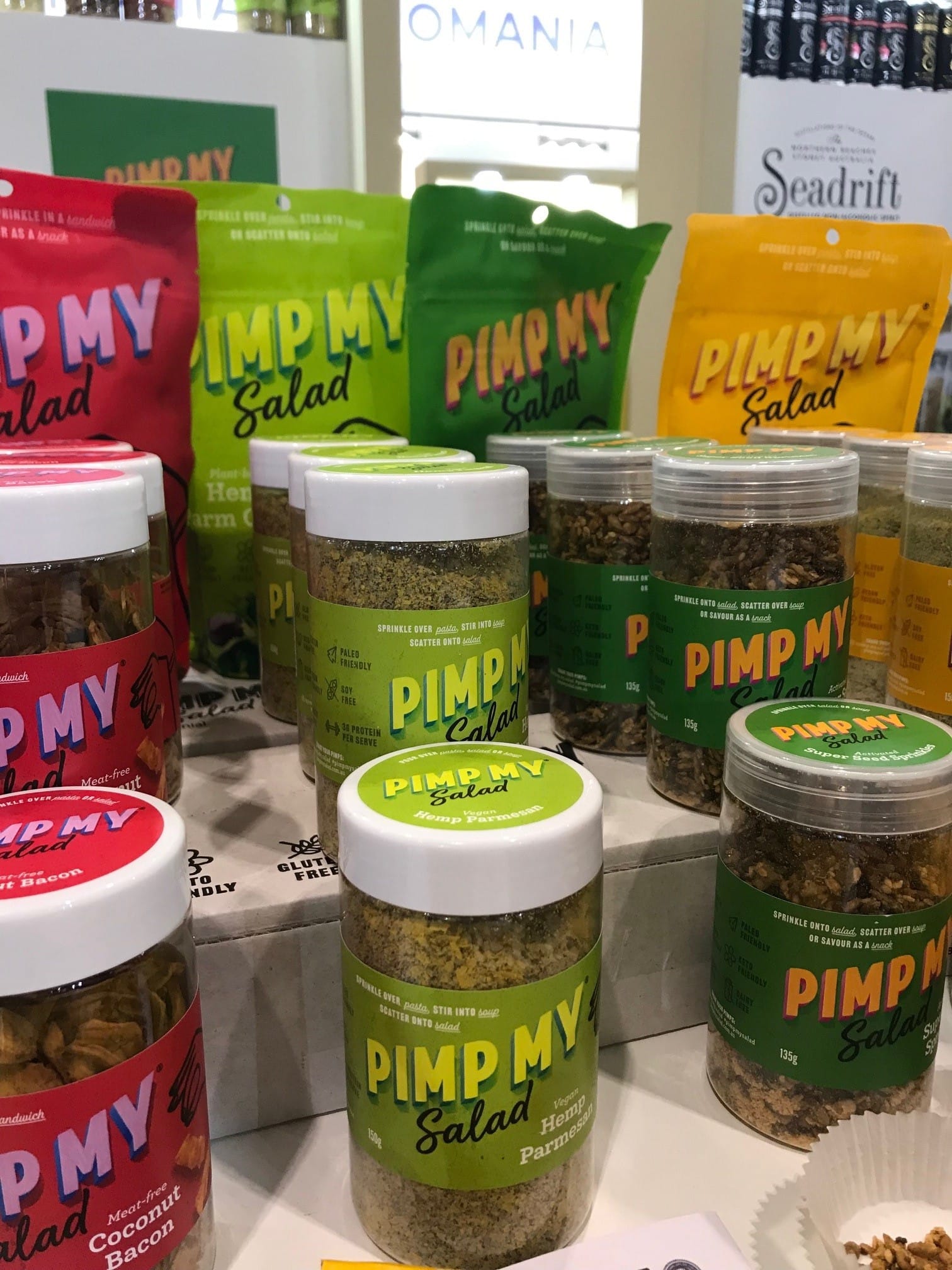
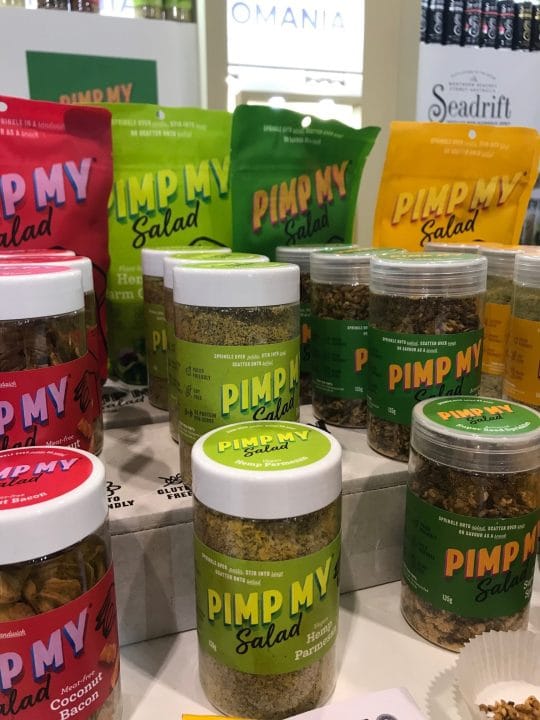
Pimp my Salad
Salad topping innovators Pimp my salad are a must try. They promise to take the everyday to the next level with a range of six topping flavours including coconut bacon (meat free), hemp parmesan (vegan) and spiced sprouted sunflower seeds. With a pop of crunch, and burst of bold flavours adding that umami touch to just about anything from salads, veg, pasta and soups to bowls of grains or rice they get a thumbs up from us.
Pukpip disrupt ice cream
Launching in the UK frozen food market, Pukpip is breaking the mould for frozen treats with their Real Frozen Bananas Dipped in Chocolate – the first product of its type set to disrupt the UK ice cream category.
Consumers are increasingly health conscious with research showing that 9 in 10 consumers want to eat more fruit and veg. But with the demands of modern life, it’s not easy to always eat well, get your 5-a-day and enjoy great taste.
And with tighter HFSS regulation Pukpip is giving retailers more opportunities to stock healthier, HFSS compliant options for consumers. Pukpip are kicking off their launch with a range of real frozen bananas dipped in a choice of milk chocolate, dark chocolate and coming soon – white chocolate. Delicious and healthy.
Healthy and indulgent
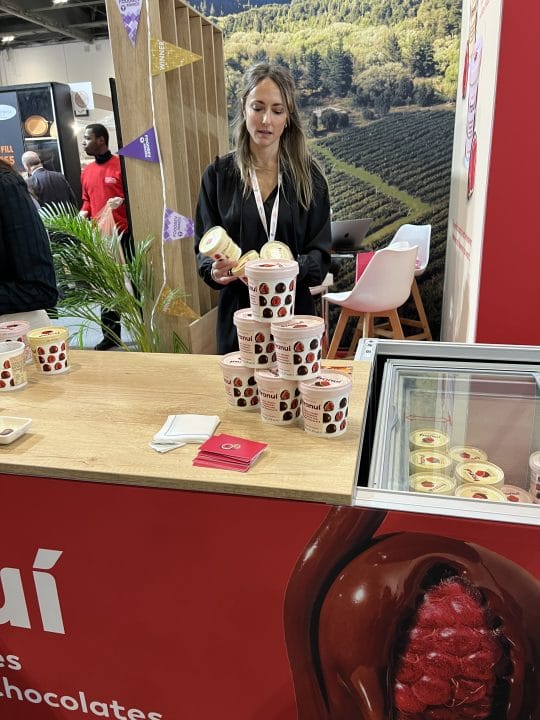
Continuing the theme of frozen and the combination of fruit and chocolate, Franui shared another show stopping product – its frozen raspberries dipped in white and milk chocolate, and dipped in white and dark chocolate. With both options we were sold on taste and flavour. Franui gives another example of HFSS compliant options for consumers.
Chips with a twist
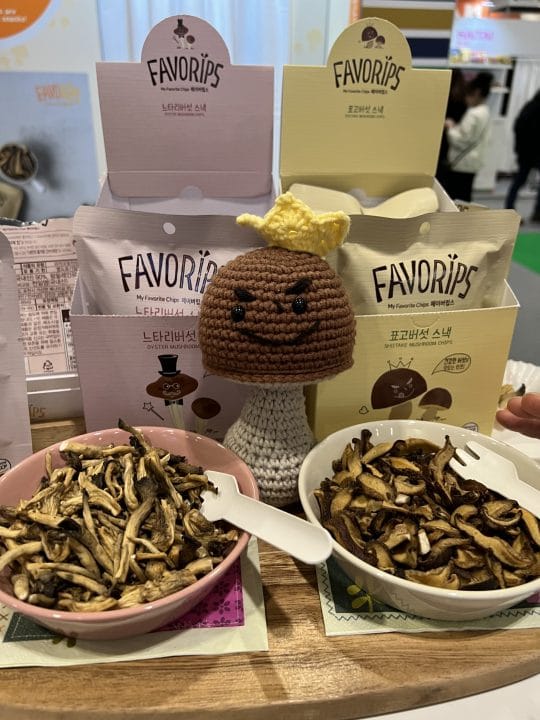
And finally, the beloved mushroom which is still trending in 2023. And you can see why, thanks to its versatility, huge flavours and texture. It also has immunity boosting properties and is a great replacement for meat. We couldn’t get enough of mushroom based snack Favorips by Trustfarm. Delicious vegan Shiitake mushroom chips, where the mushrooms are grown in an eco-friendly way using climate-smart farming practices. One to keep an eye on.
New School Food Standards: turning regulation into opportunity
September 2026
by Fiona Hamilton, director of strategic growth
England’s school food landscape is entering a significant period of change. Proposed new School Food Standards are set to raise nutritional expectations, tighten controls on HFSS foods and introduce greater emphasis on compliance and enforcement.
The potential impact
For food and drink suppliers, the important question should be: what will schools need from us to make the new rules work?
Operators are set to face a difficult balancing act; managing healthier options, budget constraints, portion and weight requirements, staffing pressures, allergens and operational complexity – all while still serving food pupils actually want to eat.
As one school cook puts it:
“It can be difficult when you’re trying to balance healthier food, tight budgets and all the different rules we have to follow – it’s an added layer to an already complex situation.”
Can schools make new standards work?
The sector believes they can – but previous experience shows the commercial risks of getting implementation wrong.
“Last time the standards changed it was a fundamental shift in the whole feeding of pupils… we all thought we wouldn’t get through it… but it was the right thing to do.”
For Luke Consiglio, founder and CEO of education caterer, The Pantry, the impact was more challenging:
“We saw a decrease in meal uptake, we saw an increase in food costs… I just don’t believe there’s been enough work done underneath that headline.”
Meg Hughes, director of nutrition and sustainability at Compass Education, experienced a similar issue during a pilot:
“We had a loss of sales of over 50% in the secondary school that did the pilot… It cost us a lot of money to do that pilot for six weeks.”
And Deborah Batchelor, managing director and owner of education caterer Stir Food highlights the fundamental commercial measure:
“If we go too far with the restrictions, we’re actually going to turn pupils away, because the measure of our success is uptake.”
For suppliers, the challenge is to help caterers meet the standards without adding cost or complexity – or compromising what pupils actually want to eat.
The opportunity
The new standards create a clear opportunity for suppliers to think beyond the product and start solving the problems around it.
Operators want healthier, practical solutions that work in the reality of a school kitchen – from product formats and pack sizes to allergen information, menu inspiration and operational support.
A school cook’s wish list is revealing:
“I’d like suppliers to make things easier for us by providing clear allergen and weight information, smaller pack sizes, more delivery options and more ideas for healthy dishes and snacks that we can actually use in schools.”
And operators want suppliers to get closer to the reality of their businesses.
Deborah Batchelor says:
“Come and see what we’re actually doing… If you can reduce allergens, we will be able to choose more of it.”
For Tracey Smith, collaboration is key:
“How can we all collaboratively work together to look at how we can reduce that plate cost? … how can we think together using our insight and our data?”
What this means for suppliers
The strongest suppliers in education will be those that understand the challenges behind the standards and build their proposition around them.
That could mean healthier products that don’t compromise taste or uptake, clearer information that makes compliance easier, formats and pack sizes designed around real school-kitchen constraints, or practical menu inspiration that helps turn compliant ingredients into food children want to eat.
It also means getting closer to operators and understanding the problems they are actually trying to solve.
This is where the commercial opportunity lies
At William Murray, we help food and drink businesses turn customer insight into commercial advantage – understanding what buyers and operators need, translating those needs into stronger propositions, and creating the content, campaigns and engagement that take those propositions to market.
The proposed new School Food Standards are a regulatory change. But also a market signal.
The suppliers that understand this shift – and use it to solve real operator problems – will be better placed not just to support schools, but to build stronger propositions and unlock growth in education.
Get set for success
The standards are changing. Is your proposition ready? Let’s talk. Contact Anita Murray.
—
Quotes gathered from 1:1 interview with a secondary school catering manager and the Arena Feeding the Future: Rethinking Catering in Education event